
Calostephane divaricata
Calostephane divaricata
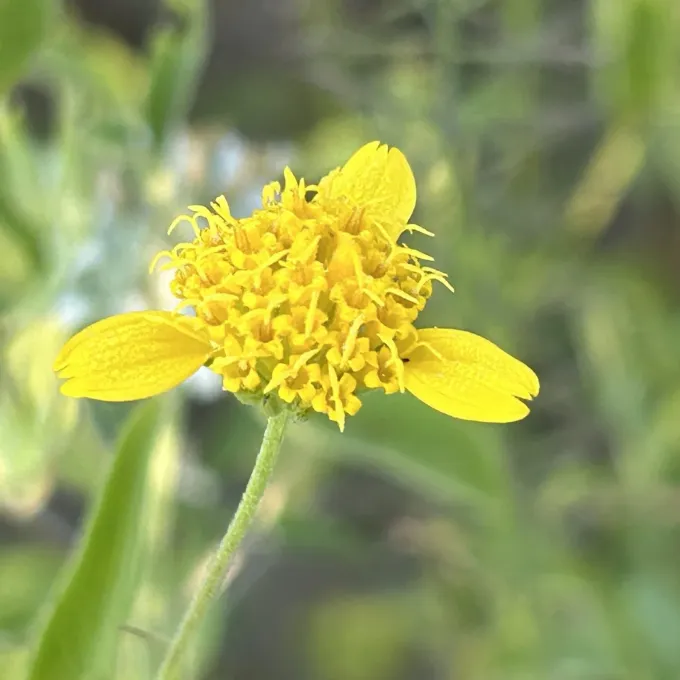
Description
Growing requirements
Calostephane divaricata is a distinctive species within the Asteraceae family. Originating from the tropical and subtropical regions of Africa, this plant has adapted to survive in challenging environments characterized by irregular rainfall and high temperatures.
The botanical structure of the plant consists of a branching stem system, which supports small, robust leaves capable of reducing transpiration. These features allow the plant to maintain physiological functions while soil moisture is low, making it a subject of interest for arid-land research.
In terms of soil requirements, this species thrives in well-drained, sandy or light loamy soils. It has a low tolerance for heavy, compacted soils where water retention can lead to asphyxiation of the root system or the onset of fungal diseases.
Climate adaptability is a strong point for this culture, as it requires high solar radiation levels to complete its life cycle effectively. It thrives in hot, sunny environments and is highly sensitive to frost, which limits its range to tropical and warm temperate zones.
The primary agricultural use of Calostephane divaricata lies in its potential as a forage crop. Its ability to produce biomass in harsh, dry climates makes it a candidate for pastoral development in regions where conventional forage options are limited by extreme drought conditions.
Main diseases and pests
The primary threats to this species include fungal infections that manifest as leaf spots or stem blights during periods of high humidity. Poor drainage or excessive irrigation often acts as the catalyst for these pathogenic outbreaks, reducing overall productivity.
Insect pests, such as locusts and various stem-boring beetles, pose significant risks to the crop. These pests can rapidly defoliate plants or weaken the structural integrity of the stem, leading to reduced yield and poor crop vigor.
Management strategies should focus on preventive cultural practices, such as maintaining optimal planting density. Proper spacing ensures adequate air circulation, which prevents the build-up of moisture around the foliage and reduces the risk of fungal spread.
Integrated Pest Management (IPM) is recommended for commercial plots. This approach combines regular scouting with the judicious use of biological controls to keep pest populations at manageable levels without disrupting the local ecological balance.
Successful management also requires careful monitoring during the flowering stage, as this is when the plant is most vulnerable to floral-feeding insects, which can drastically reduce seed set and future propagation potential.