
Callilepis laureola
Callilepis laureola
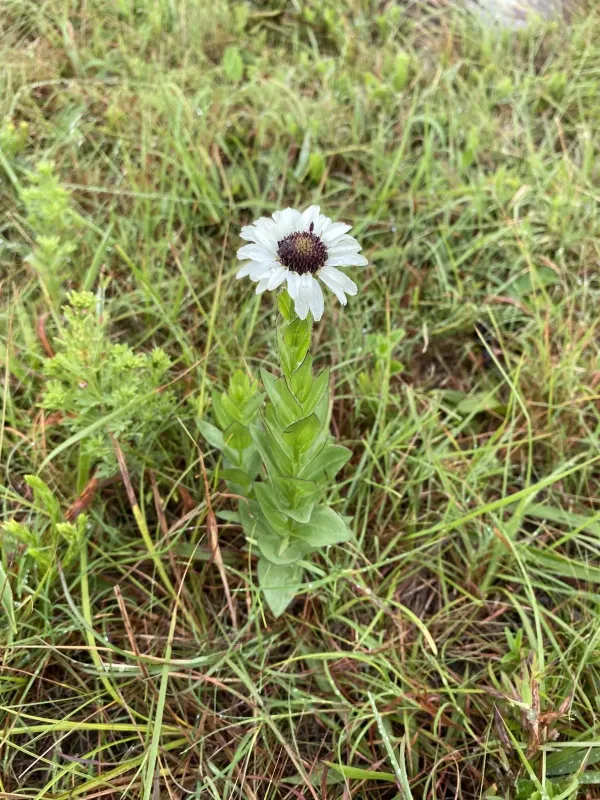
Description
Sowing dates
Callilepis laureola is a perennial herb that is typically propagated via seeds or rhizome division. Sowing should take place in early spring after the threat of frost has passed to ensure a successful germination process.
For direct seeding, soil should be well-prepared, loose, and free of debris. Small seeds require shallow planting, ideally at a depth of about 1 cm, followed by gentle soil compaction to keep them in place.
Vegetative propagation via rhizome division is a common practice for maintaining genetic consistency. This should be performed during the plant's dormant season to minimize transplant shock and encourage root establishment.
Optimal plant spacing is crucial to prevent resource competition. Once seedlings reach a certain size, thinning should be done to maintain a proper stand density across the field.
Sowing in containers or seedbeds for subsequent transplanting is also possible. This method allows for better initial control over environmental factors before the plants are introduced to the field environment.
Growing requirements
This plant thrives in full sun, which is essential for the accumulation of its secondary metabolites. Shaded locations will result in stunted growth and a significant reduction in the quality of the harvested product.
Soil requirements focus on excellent drainage and a neutral to slightly acidic pH. The crop is highly sensitive to waterlogged conditions, which can lead to rapid decay of the root system.
The plant demonstrates a strong tolerance for various climatic conditions but prefers areas with moderate humidity. It is well-adapted to surviving seasonal drought, making it a robust option for specific regions.
Soil enrichment through organic matter, such as compost, provides the necessary nutrients for sustained growth. Regular cultivation between rows is recommended to improve soil aeration and moisture retention.
Protection from extreme cold in winter may be necessary in colder climates. Mulching can provide a critical layer of insulation for the rhizomes, ensuring the plant returns consistently in the following season.
Main diseases and pests
Fungal diseases are the primary threat, often caused by high humidity or poor soil drainage. Root rot is particularly destructive and can affect the viability of the entire crop if not managed promptly.
Pests such as aphids and mites may target the leaves and stems during warmer weather. Integrated pest management strategies, focusing on early detection, are essential to minimize damage to the vegetation.
Weed management is a vital component of successful crop production. Weeds compete for nutrients and water, and they may harbor various pathogens that can compromise the health of the Callilepis plants.
The use of biological controls is highly recommended over broad-spectrum chemical pesticides. This approach maintains the ecological balance of the field and ensures the harvested material meets quality standards.
Regular field scouting is the most effective preventive measure. By monitoring for discoloration or wilting, growers can intervene quickly to prevent the spread of diseases or pest infestations.
Harvesting
The harvest primarily focuses on the rhizomes of the plant, which contain the valuable compounds. Harvesting is conducted in late autumn, when the plant is dormant and the rhizomes are most mature.
Manual or semi-mechanized tools are used to carefully extract the roots from the soil. Care must be taken to minimize mechanical damage to the rhizomes during the extraction process to ensure high-quality output.
Post-harvest processing begins with a thorough washing to remove all soil and organic impurities. This cleaning stage is critical to ensure that the final dried product is clean and free from contaminants.
Drying is performed in shaded, well-ventilated areas or in controlled temperature ovens. Managing heat levels prevents the degradation of the delicate phytochemical compounds within the roots.
The finished product is then sorted and stored in dry conditions to maintain its shelf life. Packaging should protect the dried roots from humidity and pests to preserve their medicinal efficacy over time.