
California poppy
Eschscholzia californica Cham.
Description
Sowing dates
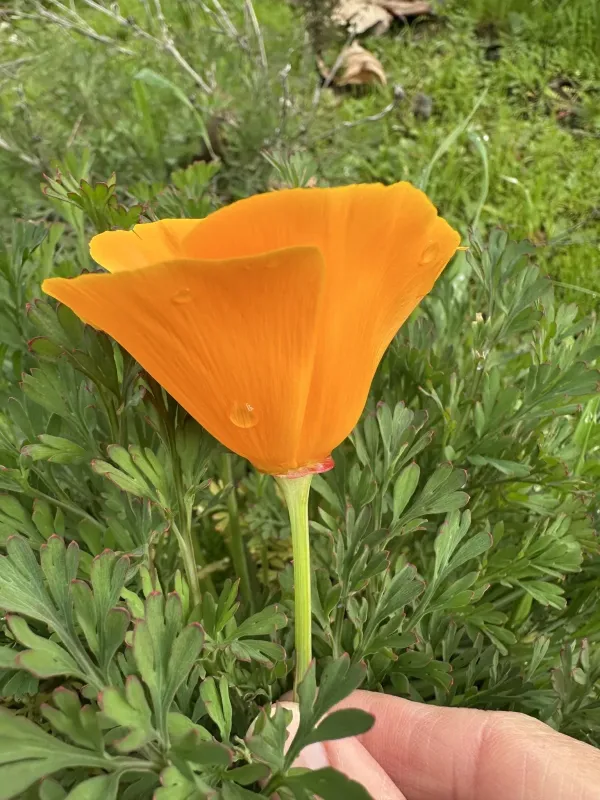
The California poppy (Eschscholzia californica) is a member of the Papaveraceae family. It is a herbaceous plant characterized by delicate, finely divided foliage and vibrant, cup-shaped flowers that are highly valued in both ornamental and therapeutic fields.
The best time for sowing is early spring as soon as the soil is workable, or late autumn for winter sowing. The plant is notably hardy and can withstand light frosts, making it a reliable performer in temperate climates.
Due to its taproot system, the California poppy is notoriously difficult to transplant. Agronomists recommend direct sowing into the final location to avoid damaging the roots, which typically halts growth and reduces the health of the plants.
Seeds should be scattered on the surface and barely covered with a light layer of soil or sand. Because they require light for germination, deep planting is discouraged as it often results in poor germination rates.
Once seedlings emerge, thinning is essential to maintain proper spacing. A distance of 20–30 centimeters between plants allows for adequate airflow, which is critical for preventing fungal diseases in dense stands.
Growing requirements
The crop thrives in full sun. It is a heliophilic plant, and any reduction in sunlight duration during the vegetative phase will lead to leggy, weak growth and significantly diminished flower production.
It prefers sandy, well-draining soils. It is remarkably drought-tolerant, meaning it requires minimal irrigation. Excessive water retention in the root zone is the primary cause of crop failure in non-ideal soils.
California poppy does not require high levels of soil fertility. In fact, rich soils or the addition of fresh manure often result in excessive foliage growth at the expense of floral development and seed yield.
The plant performs best in neutral or slightly alkaline soil conditions. Proper soil aeration is key to the longevity of the plant, especially in regions with high humidity levels during the growing season.
Beyond its ornamental appeal, the crop has industrial applications in herbal medicine. Its alkaloids contribute to mild sedative and antispasmodic properties, making it a sought-after species for specialized farming.
Main diseases and pests
Powdery mildew is the most common fungal threat, typically triggered by high humidity, poor air circulation, or overcrowding within the planting rows.
Gray mold (Botrytis) can also be problematic during prolonged wet spells, affecting the stems and blooms. Regular inspection for early signs of decay is recommended to protect the integrity of the crop.
Aphids are the primary insect pests that attack the tender new growth and flower buds. They feed on the plant sap, which can cause stunted growth and misshapen flowers if left untreated.
Integrated pest management, including the use of targeted insecticides or natural soap-based sprays, is effective in controlling aphid populations without damaging the plant's delicate tissues.
Maintaining a clean field by removing debris and weeds is crucial for disease prevention, as these often serve as secondary hosts for common pathogens affecting this species.