
Burckella obovata
Burckella obovata
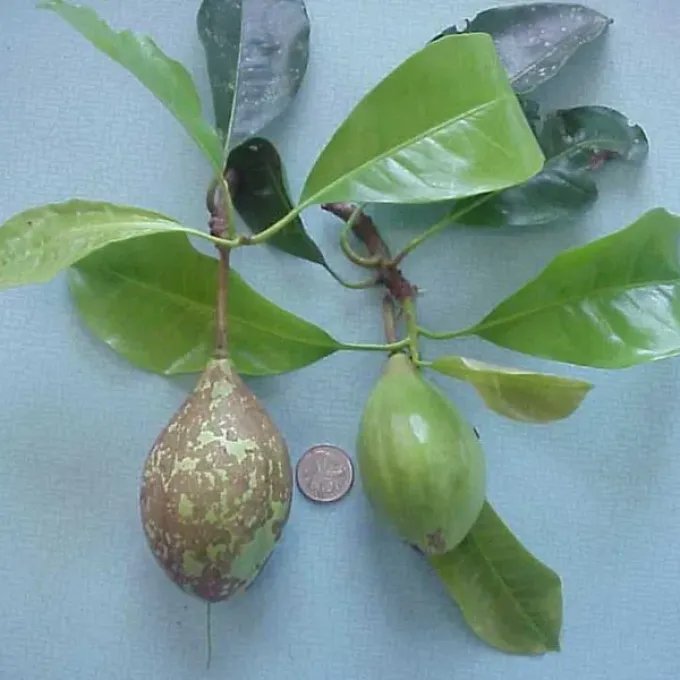
Description
Growing requirements
Burckella obovata is a tropical tree species belonging to the Sapotaceae family. It is predominantly found in coastal forests and tropical lowlands across Southeast Asia and various Pacific islands.
The tree thrives in high-humidity environments with consistent tropical temperatures. It is notably adapted to coastal regions, showing significant resilience to maritime exposure and saline soil conditions, which makes it a unique candidate for specific agroforestry projects.
Optimal growth is achieved in deep, fertile, and well-drained soils. While it prefers moist conditions, it is crucial that the soil architecture prevents waterlogging, which can otherwise lead to root rot in younger specimens.
Botanically, it is characterized by its distinct obovate leaves and a dense, dark green canopy. It produces fleshy fruits that are a vital part of its ecological contribution, housing seeds rich in fats and oils.
Economically, the species is highly valued by local populations for the oil extracted from its seeds. This oil is utilized in traditional diets, medicinal applications, and cosmetic formulations, making it a sustainable resource for indigenous communities.
Main diseases and pests
The primary biological threats to Burckella obovata include fruit-boring beetles that can significantly reduce the viability and quality of the seed harvest during peak production cycles.
Fungal pathogens pose a constant risk, particularly in high-humidity zones where foliage density restricts airflow. Leaf spot and bark decay are common indicators of poor plant health in improperly managed stands.
Environmental threats involve habitat fragmentation. As coastal areas are increasingly used for infrastructure, the remaining natural stands of the species face isolation and reduced genetic diversity.
Preventive management requires regular monitoring of canopy health and the immediate removal of infected branches to prevent the spread of localized fungal outbreaks.
Sustainable harvesting practices are essential, as excessive damage to the bark during the fruit collection process can expose the tree to wood-rotting organisms, ultimately weakening the specimen.