
Bryaspis lupulina
Bryaspis lupulina
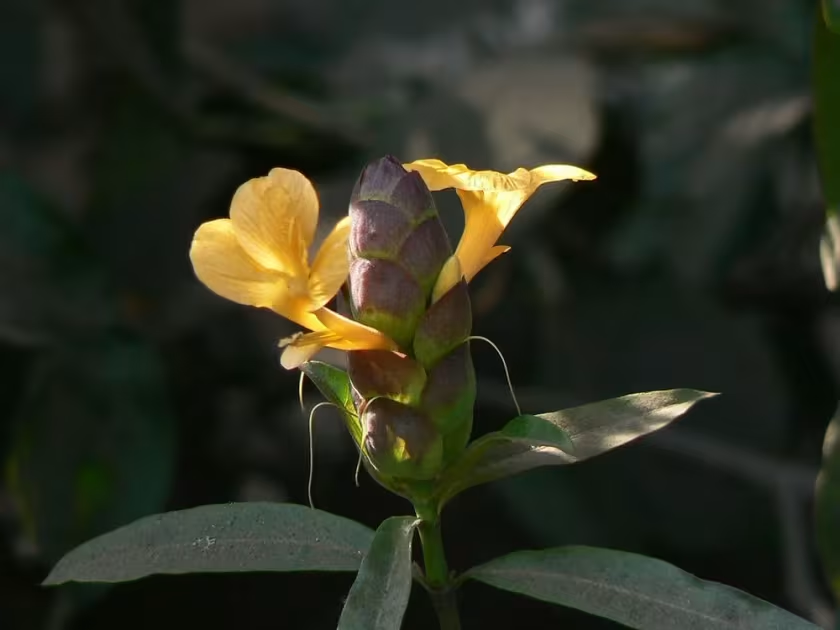
Description
Sowing dates
Bryaspis lupulina is a member of the Fabaceae family, recognized for its nitrogen-fixing capabilities that benefit overall soil fertility. Seeds are typically sown in early spring once soil temperatures reach a consistent 10–12°C to ensure successful germination.
Because the seed coat is highly resistant to water absorption, scarification is recommended prior to sowing to improve emergence rates. The optimal sowing depth is 1 to 2 centimeters, depending on the specific soil moisture level and texture.
Proper plant spacing is essential to allow for the robust development of the root system during the first season of growth. Density adjustments should be made based on whether the primary objective is seed production or biomass generation.
Rolling the soil immediately after sowing is a critical step, as it ensures close contact between the seeds and the soil particles. Under favorable conditions, uniform emergence is usually observed within 10 to 14 days after planting.
It is recommended to integrate this crop into a rotation system following cereal grains to keep the plot free from weed pressure. Rotating away from the site for at least three to four years helps to prevent the buildup of soil-borne pathogens.
Growing requirements
This crop thrives in moderate climates with sufficient rainfall during the spring and early summer growing seasons. Its taproot system provides a degree of tolerance against short-term drought conditions once the plant is established.
Loamy or sandy-loam soils with a neutral or slightly acidic pH are ideal for cultivation. Avoid low-lying or poorly drained areas, as waterlogging is highly detrimental to the root system and plant health.
Bryaspis lupulina requires full sun to maximize its vegetative potential; excessive shade results in leggy stems and poor structural integrity. Open fields with high light availability ensure the most vigorous growth patterns.
A temperature range of 18–25°C is ideal for peak vegetative activity, while extreme heat may slow growth and reduce fodder quality. Phosphorus and potassium are the primary nutrient requirements to support nitrogen fixation and root development.
Nitrogen fertilizers should be limited to minimal starter amounts, as the plant relies on symbiotic bacteria for its nitrogen needs. Proper soil fertility management is crucial for maintaining the productivity of the legume stands.
Yield
The yield of green biomass depends heavily on management practices, with optimal cultivation producing 15–20 tons per hectare in a single cut. Yield can be enhanced by precise timing of harvests and adequate irrigation during growth phases.
Seed yields generally range from 300 to 500 kilograms per hectare under favorable conditions. Harvesting must be timed precisely to minimize seed loss, as pods tend to split easily when fully matured in the field.
Supplementing with micronutrients like boron and molybdenum can significantly improve biomass output. If soil moisture is maintained, multiple cuttings within a single season may be possible for optimal forage management.
Maintaining a cutting height of at least 5–7 centimeters is vital for promoting rapid regrowth of the plant population. Frequent or overly aggressive harvesting can lead to premature exhaustion of the root reserves.
The primary agricultural use of the crop is as a high-quality forage source for livestock. Its high protein content makes it an excellent candidate for both green chop and high-quality hay production.
Main diseases and pests
Powdery mildew is a common concern, particularly in high humidity environments or densely planted stands. Prevention involves maintaining good air circulation and following recommended sowing densities.
Root rot represents the most significant threat to the crop, especially in poorly drained soils. Symptoms include yellowing of the leaves and premature wilting during the heat of the day, indicating damage to the root system.
Pests like the clover root curculio can cause damage to young seedlings by feeding on the leaf margins. Proactive monitoring and timely intervention with appropriate control measures are recommended during the early growth stages.
Leaf-eating insects and certain moth larvae may require management during the peak summer months. Biological controls or integrated pest management strategies are preferred to maintain the health of the field ecosystem.
Adhering to strict crop rotation and selecting high-quality seed are the best defenses against disease. Healthy plants with robust growth rates demonstrate significantly higher resistance to various biotic stressors.
Harvesting
Harvesting for green forage should occur during the early flowering phase when the nutrient and protein concentrations are at their peak. Delaying harvest results in stem lignification, which reduces digestibility and overall feed quality.
For seed production, harvesting should begin when approximately 70-80% of the pods have matured and turned brown. It is critical to harvest under dry conditions to prevent moisture-related storage issues.
A two-stage harvesting process, involving cutting into swaths followed by threshing after 2–3 days, is highly recommended. This allows for natural maturation and drying, which results in higher germination rates for the seeds.
Post-harvest processing must include cleaning the seeds of all vegetable matter and drying them until moisture levels are below 14%. Proper storage conditions are essential for maintaining the viability of the seed stock.
Equipment should be carefully calibrated to minimize mechanical damage during the harvesting process. When all protocols are followed, the harvest operation is highly efficient and provides excellent returns on investment.