
Brexia madagascariensis
Brexia madagascariensis
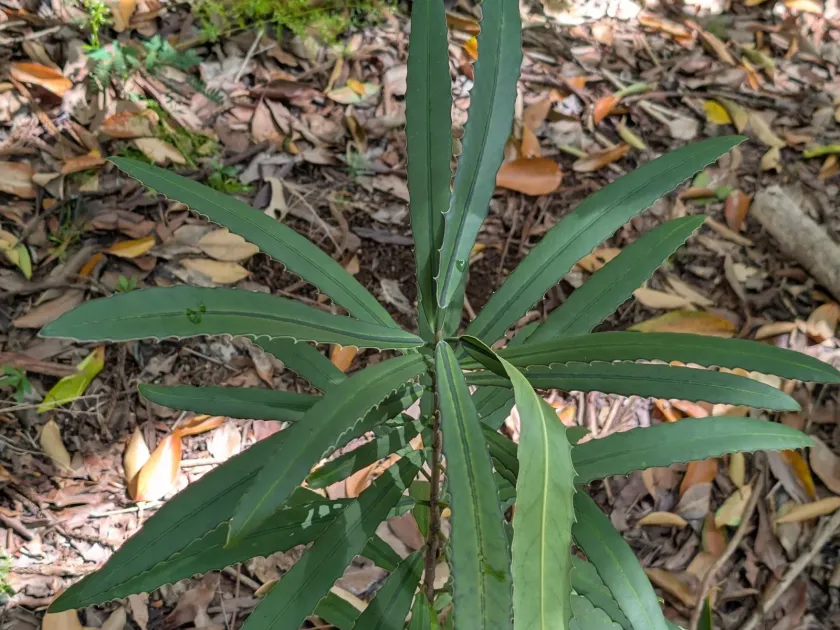
Description
Growing requirements
Brexia madagascariensis is a notable species within the Celastraceae family, recognized for its robust evergreen foliage and distinctive growth habit. Originally endemic to Madagascar, it has expanded its range across various tropical regions due to its adaptability to warm climates.
The cultivation of this plant requires a tropical environment with high humidity and consistently warm temperatures. Frost tolerance is non-existent, making it strictly suitable for outdoor cultivation in frost-free zones or specialized greenhouse conditions.
Soil requirements involve well-drained, nutrient-rich substrates that allow for consistent growth without the risk of waterlogging. While it tolerates various soil types, providing organic matter improves the vitality of the plant and enhances the luster of its leather-like leaves.
Botanically, it features thick, glossy leaves and unique, fleshy flowers that contribute to its ornamental value. Its structural integrity makes it a popular choice for tropical landscaping, where it serves as a reliable screen or specimen plant.
Its primary use is in ornamental horticulture. Being highly resistant to salt spray, it is an excellent candidate for coastal landscaping, providing both shelter from winds and a high-quality visual element in tropical gardens.
Main diseases and pests
The primary threats to Brexia madagascariensis include fungal pathogens that thrive in high-humidity environments. Leaf spot diseases are common if air circulation within the canopy is insufficient, necessitating careful spacing and pruning.
Insect pests, particularly scale insects and mealybugs, represent a significant risk. These pests colonize stems and leaf axils, depriving the plant of essential nutrients and potentially leading to a decline in leaf density and overall plant vigor.
Effective management involves regular canopy inspection and the use of horticultural oils or systemic insecticides if infestations are detected. Managing the moisture balance in the root zone is equally critical to prevent root rot.
Sanitation practices are essential for maintaining a healthy specimen. Regularly removing dead or diseased branches helps improve air circulation and sunlight penetration, which acts as a natural deterrent against fungal colonization.
Monitoring the plant's nutrient status is a proactive approach to pest resistance. A well-fertilized, healthy plant is significantly more resilient to environmental stress and minor pest attacks than a nutrient-deficient or water-stressed counterpart.