
Breonia perrieri
Breonia perrieri
Description
Growing requirements
Breonia perrieri is a rare species of evergreen woody plants belonging to the Rubiaceae family. This crop is endemic to the island of Madagascar, where it grows primarily in humid tropical forests.
The plant thrives in conditions with high humidity and consistently warm temperatures throughout the year. For successful development, the crop requires fertile, well-drained acidic or neutral soils rich in organic matter, typical of tropical substrates.
In its natural habitat, the species is characterized by a slow growth rate, which requires patience during cultivation. An important factor for the plant is protection from direct, scorching sunlight at an early age, as it is adapted to life under the forest canopy.
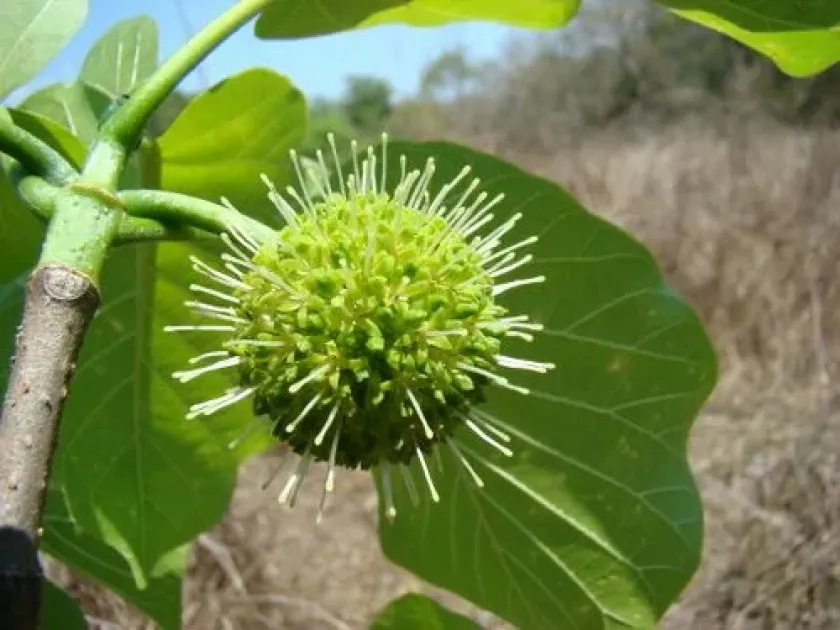
Botanically, the species is a tree or large shrub with dense, leathery leaves that ensure efficient transpiration in tropical climates. The inflorescences have a specific form characteristic of the Breonia genus, attracting local pollinators.
The economic importance of the plant is currently limited, but it is of interest to botanical gardens and collectors of rare tropical species. Research indicates the potential use of chemical compounds produced by this plant in pharmacology due to the presence of secondary metabolites.
Main diseases and pests
The main threat to this species is the rapid reduction of natural habitats in Madagascar due to deforestation. The loss of ecological niches makes the species extremely vulnerable to climate change.
When introduced or cultivated in protected ground, plants can be infested by common tropical pests such as spider mites and scale insects. High humidity combined with poor ventilation often triggers fungal root diseases.
Disease prevention consists of strictly controlling the irrigation regime and ensuring adequate soil aeration. It is necessary to avoid waterlogging, which is detrimental to the roots of this crop.
Pest control in greenhouse conditions requires the use of mild biological preparations. The use of aggressive chemicals is not recommended due to the high sensitivity of the leaves to toxic components.
In natural populations, the plant suffers from invasive species that suppress its growth in the first years of life. Conserving the species requires a comprehensive approach, including the establishment of specialized nurseries for seedling propagation.