
Bracteantha acuminata
Bracteantha acuminata
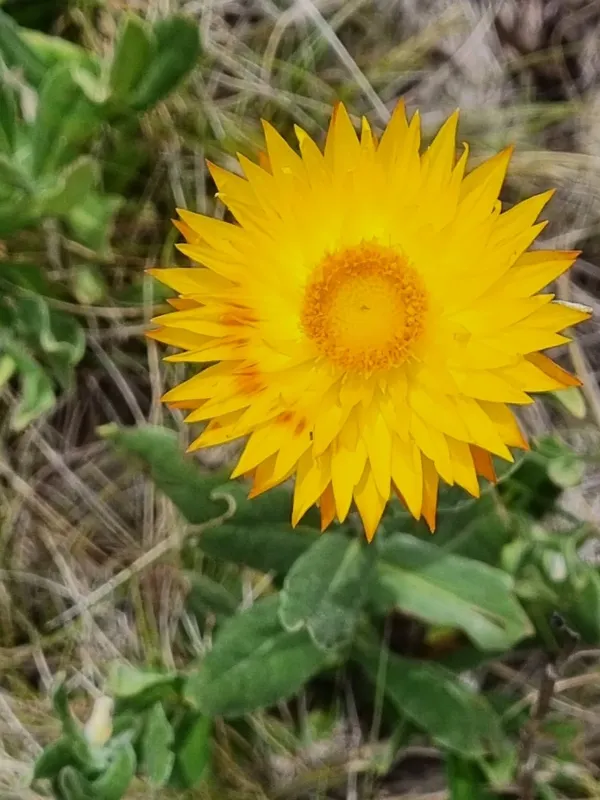
Description
Sowing dates
Bracteantha acuminata, a member of the Asteraceae family, is typically propagated from seeds. Sowing is usually performed in early spring within controlled environments like greenhouses to ensure high germination rates.
The seeds require surface sowing, as they need light to trigger the germination process. A temperature of approximately 20-22 degrees Celsius is optimal for the development of healthy, vigorous seedlings in the initial growth phase.
Seedlings are transplanted into individual containers once the first set of true leaves develops. Handling the root system with extreme care is necessary to avoid transplant shock, which can stunt the growth of this crop.
Transplanting into the permanent outdoor field should only occur after the risk of frost has completely passed. In temperate climates, this generally falls between late May and early June, coinciding with warming soil conditions.
Commercial plantations are usually established with a specific spacing of 30 to 40 centimeters apart. This spacing ensures adequate light penetration and reduces competition for nutrients between individual plants.
Growing requirements
Native to Australian climates, Bracteantha acuminata is a highly resilient species that thrives in full sunlight. It is classified as a xerophyte, showing remarkable tolerance to periods of dry weather.
The ideal soil for this crop must possess excellent drainage characteristics. Sandy or loamy soils are preferred, as they prevent the water stagnation that often leads to crown rot and other root-related pathologies.
Regarding fertilization, a balanced mineral approach is recommended during the active growth stages. Excessive nitrogen should be avoided, as it encourages dense vegetative foliage while decreasing the production of flowers.
Consistent airflow is a mandatory requirement for maintaining crop health. High-humidity, stagnant air environments are conducive to fungal growth and should be avoided when selecting a site for cultivation.
Temperature management is critical in regions where the summer is cool and damp. In such climates, supplemental heat or protection under plastic tunnels can improve the overall yield and quality of the flower production.
Main diseases and pests
The most significant threats to Bracteantha acuminata are fungal pathogens like root rot and powdery mildew. These diseases are largely triggered by excessive soil moisture and insufficient ventilation within the plant rows.
Insect pests, specifically aphids and spider mites, are common in drier climates. These pests can cause significant damage to young buds and leaves if not detected and managed through early-stage scouting.
Effective disease control is rooted in good cultural practices, such as proper spacing and the rotation of crops. If an outbreak occurs, the application of systemic fungicides or biological control agents is necessary.
Slugs and snails can cause mechanical damage during the early establishment phase. Protective barriers or organic baiting methods are often sufficient to mitigate these risks in small to medium-scale operations.
Regular field inspection is essential to ensure early detection of any health issues. Prompt removal of infected plants prevents the spread of pathogens throughout the entire plantation, safeguarding the harvest yield.
Harvesting
The harvest timing is the most critical factor for the longevity of the dried product. Flowers should be cut when the central florets are only partially open, as they will continue to open slightly after harvest.
Harvesting is best performed in the early morning after the dew has evaporated, ensuring that the stems are free of external moisture. This reduces the likelihood of mold development during the drying process.
Stems are bundled and hung upside down in a darkened, well-ventilated space. Keeping the flowers away from direct sunlight is vital to prevent the fading of natural pigments and to maintain vibrant colors.
The drying duration varies depending on the ambient humidity levels, usually taking about two weeks. Once completely dry, the flowers are highly stable and resistant to environmental fluctuations in interior settings.
Commercial utilization focuses on the dried flower market, where Bracteantha is prized for its structural integrity. Proper handling during the post-harvest stage is required to prevent brittleness and breakage of the stems.