
Bornmuellera baldaccii
Bornmuellera baldaccii
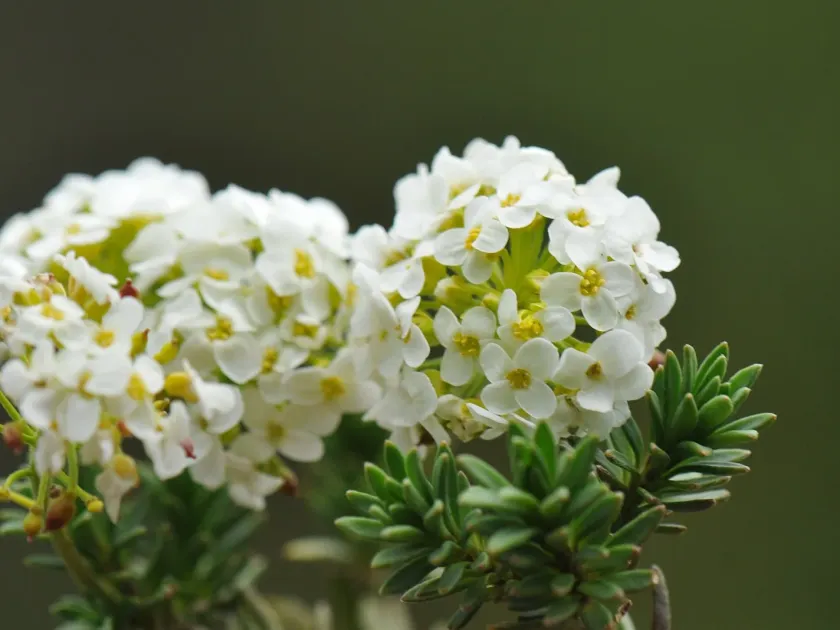
Description
Sowing dates
Bornmuellera baldaccii is primarily of interest to botanical research and conservation rather than commercial agriculture, requiring specific seed handling.
Seeds are typically sown in late autumn, allowing for a natural cold stratification process that is essential for overcoming seed dormancy in alpine species.
The sowing depth must be kept to a minimum, ensuring the seeds are barely covered by a light layer of gritty substrate to allow for proper light absorption.
Seedlings should be moved to individual pots as soon as they develop their first set of true leaves to prevent crowding and root competition.
Transplanting into the final growth location should happen after the threat of severe spring frost has passed to ensure established root systems.
Growing requirements
This species is a member of the Brassicaceae family and is recognized as a rare endemic plant native to the high-altitude rocky regions of the Balkans.
It thrives in environments characterized by thin, rocky, and well-drained soils, typically associated with limestone geological formations.
Exposure to full sunlight is critical for the healthy development of this plant, as it has adapted to the high-UV light conditions of its native alpine habitat.
The species demonstrates exceptional hardiness against temperature fluctuations, though it is highly susceptible to root damage caused by waterlogging.
Standard cultivation practices require a substrate mixture of mineral-rich gravel and coarse sand, mimicking the nutrient-poor conditions of its natural slopes.
Main diseases and pests
The primary threats to this plant in cultivation are fungal diseases, such as damp-off and various root rots, caused by excessive moisture levels.
Poor ventilation around the base of the plant can lead to the development of mold, which often results in the rapid decay of the plant's crown.
Pests, particularly crucifer flea beetles, can cause significant damage to the leaves during the early vegetative growth phase in spring.
Gastropods, including snails and slugs, are known to browse on the succulent foliage if the cultivation area is not properly monitored.
Effective management requires strict humidity control and the removal of organic debris from around the plant to ensure adequate airflow and pathogen prevention.