
Borassodendron machadonis
Borassodendron machadonis
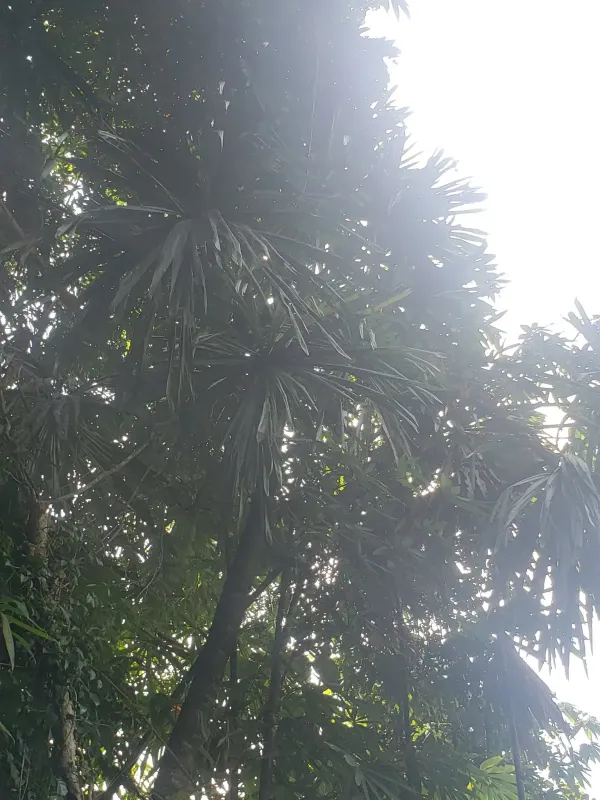
Description
Growing requirements
Borassodendron machadonis is an impressive member of the Arecaceae family, native to the tropical rainforests of the Malay Peninsula, known for its slow but steady growth rate.
The species requires a climate characterized by constant high temperatures and consistent rainfall throughout the year, as it lacks a natural adaptation for seasonal drought.
For cultivation, well-draining, nutrient-rich soil is essential to ensure that the palm's root system remains healthy and free from the threat of waterlogging, which is a major risk.
Young palms thrive under the canopy of larger trees in their native environment, suggesting that semi-shaded positions are preferable during the initial stages of development.
Effective management requires maintaining high atmospheric humidity levels, especially for specimens kept in horticultural settings or tropical botanical collections.
Main diseases and pests
The palm weevil is among the most significant pests for this species, often causing structural damage to the trunk that can be fatal to the palm if left untreated.
Fungal leaf spot diseases may occur in environments with poor air circulation, necessitating strict control over humidity and spacing between individual plants.
Sap-sucking insects like mealybugs and scales can severely weaken young specimens by depriving them of essential nutrients and potentially spreading viral infections.
Root rot, driven by stagnant water in the soil, remains a major agrotechnical challenge that requires precise irrigation management to prevent irreversible damage.
Habitat loss and deforestation are severe threats to wild populations, emphasizing the importance of sustainable cultivation and conservation efforts in protected environments.
Harvesting
The primary utility of Borassodendron machadonis is ornamental, as it is highly valued by landscape architects for its sculptural leaves and majestic stature.
Traditional uses include utilizing the fibrous leaves for weaving baskets, mats, and other artisanal goods, highlighting the durability of the plant's botanical tissues.
Fruit harvesting is not conducted at an industrial level; however, local communities occasionally utilize the fruits for traditional food preparations in limited quantities.
Seed collection is a delicate process, as the viability of the seeds diminishes rapidly, requiring growers to process and plant them immediately after ripening.
Regular maintenance involves pruning dead fronds to ensure the aesthetic appeal and to prevent the accumulation of debris that could potentially host harmful pathogens.