
Boquila trifoliolata
Boquila trifoliolata
Description
Growing requirements
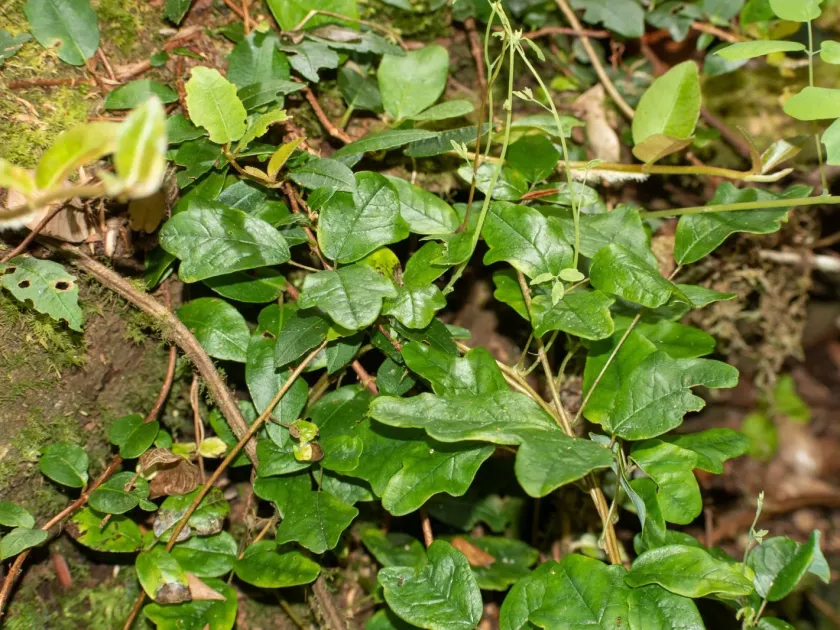
Boquila trifoliolata is a distinctive species of woody vine within the Lardizabalaceae family, native to the temperate rainforests of Chile and Argentina. It is primarily recognized by botanists for its extraordinary ability to mimic the leaf shape and color of its host plant.
Cultivation requires specific environmental conditions that mirror its native forest floor habitat. It thrives in high-humidity areas with dappled sunlight, making it highly dependent on vertical structures for its natural climbing behavior.
The soil profile for optimal development should be rich in organic matter, slightly acidic, and well-drained. Nutrient availability is critical, and the plant benefits from annual mulching to mimic the decaying litter found in wild forest settings.
Climatic requirements are focused on mild temperate zones. The plant lacks high frost tolerance, necessitating indoor care or greenhouse conditions if grown outside its natural geographic range in colder climates.
Agricultural and horticultural interest in this species is focused on its biological uniqueness. While not a commercial crop in the traditional sense, its edible fruits are consumed locally, and its potential for botanical study remains a significant asset.
Main diseases and pests
The main threats to Boquila trifoliolata include habitat fragmentation and the loss of suitable host trees, which are necessary for its survival and proliferation in the wild.
Pests such as aphids and spider mites can become problematic in greenhouse settings, requiring constant monitoring of the leaf undersides to prevent severe infestations during the spring growth phase.
Fungal pathogens represent a significant risk, particularly root rot, caused by poor drainage and excessive water retention in the potting medium, which can lead to quick wilting and death.
Environmental stress, such as exposure to direct scorching sun or drying winds, can lead to physiological damage that makes the plant more susceptible to opportunistic secondary infections.
Proactive management includes ensuring excellent air circulation and avoiding overhead watering to keep the foliage dry and reduce the incidence of moisture-loving plant pathogens.