
Bombycilaena erecta
Bombycilaena erecta
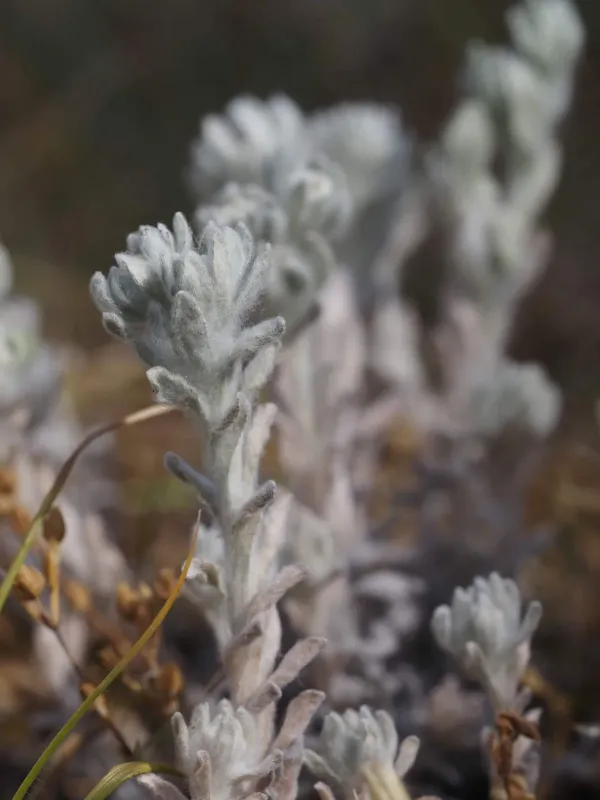
Description
Sowing dates
Bombycilaena erecta is an annual herbaceous plant belonging to the Asteraceae family, typically found in arid and semi-arid environments.
The sowing process should be initiated in early spring when the soil temperature consistently reaches levels conducive to seed germination.
Seeds require minimal soil cover to ensure proper light exposure, which acts as a key signal for the biological cycle initiation.
Proper spacing between rows is essential to facilitate mechanical weeding and ensure optimal air circulation throughout the crop canopy.
Using high-quality, pre-cleaned seed material significantly enhances the establishment rate and ensures uniformity in subsequent growth phases.
Growing requirements
This crop thrives in well-drained, sandy, or rocky soils that prevent root saturation and ensure adequate aeration during the wet season.
It is classified as a drought-tolerant species, which allows it to be cultivated in regions where rainfall is irregular or scarce.
Full sun exposure is mandatory for healthy development, as the plant exhibits photophilic traits common to many Asteraceae species.
The plant demonstrates significant resilience to extreme environmental conditions, making it a reliable choice for marginal land utilization.
The soil fertility requirements are modest, and excessive nitrogen applications can actually hinder the development of reproductive organs.
Main diseases and pests
Fungal pathogens associated with moisture accumulation pose the primary threat to the overall yield stability of the crop.
Root rot, induced by poor drainage, remains the most prevalent physiological disorder that must be managed through land leveling and drainage.
Insects that target the foliage can cause significant stress, especially during the vegetative stage, necessitating proactive monitoring.
Effective management strategies include crop rotation and the removal of secondary hosts to reduce the pressure from common pests.
Regular field scouting is recommended to identify early signs of infestation and prevent widespread damage across the cultivated area.