
Boldoa purpurascens
Boldoa purpurascens
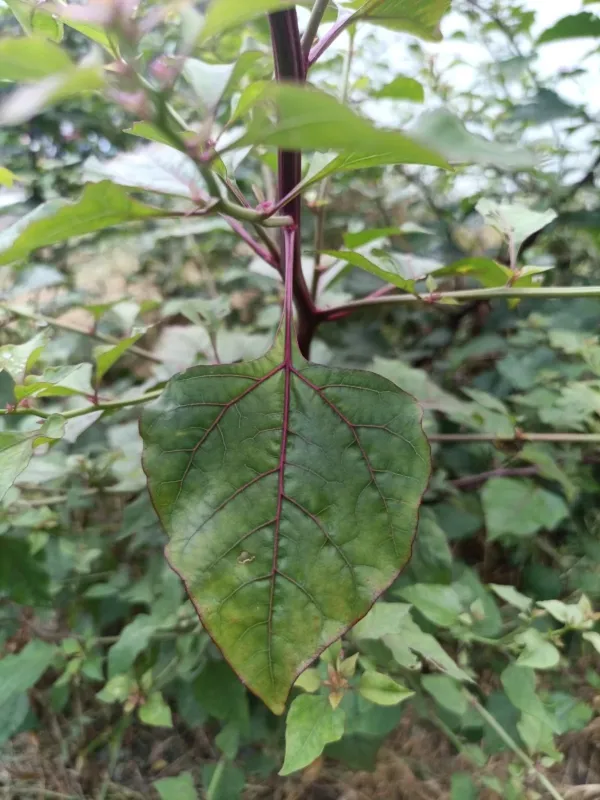
Description
Sowing dates
Boldoa purpurascens is a plant species belonging to the Nyctaginaceae family. Known for its specific botanical characteristics, it requires careful management during the initial sowing stages to ensure successful stand establishment.
Seeds should be sown in early spring once the risk of frost has completely passed. The soil must be well-prepared, fine-textured, and rich in organic matter to provide a supportive environment for the germination of small seeds.
For better results, many growers utilize nursery-grown seedlings. This method allows for a controlled environment, ensuring that the young plants are robust enough to withstand the stress of transplanting into open fields.
The spacing between plants is crucial for air circulation. Planting at appropriate intervals helps prevent micro-climates that could otherwise encourage the development of mold or bacterial growth around the base of the plant.
During the early growth phase, consistent moisture levels are essential. Once the plants have established a solid root system, they become more resilient, but initial hydration management remains a priority for the farmer.
Growing requirements
This crop thrives in warm climates and requires significant solar exposure for optimal development. It is best suited for regions with long growing seasons, as the plant needs sufficient light to maintain its characteristic pigmentation.
Soil structure is a primary factor in the success of Boldoa purpurascens. The ideal soil profile consists of sandy or silty loam that allows for excellent drainage, preventing any saturation of the root zone.
The plant demonstrates a preference for soils with a neutral pH. If the soil is too acidic or alkaline, nutrient uptake can be hindered, leading to yellowing of the leaves and stunted growth patterns.
Regarding water requirements, the plant prefers deep, infrequent irrigation rather than shallow daily watering. This approach encourages the roots to grow deeper, making the plants more drought-tolerant as they mature.
Nutrient management should focus on a balanced NPK ratio. Excessive nitrogen can lead to overly lush foliage that is more susceptible to pest attacks, so applying fertilizer in moderation is a recommended strategy.
Main diseases and pests
Pathogenic fungi represent the most significant threat to the health of this crop. High humidity levels can trigger outbreaks of powdery mildew, which can rapidly spread across the leaf surface, reducing the photosynthetic capacity.
Pests such as aphids and spider mites are commonly observed during the peak growing season. These insects thrive on the tender parts of the plant and can significantly weaken it if not monitored and managed promptly.
Root rot, caused by various soil-borne pathogens, is usually a symptom of poor drainage or overwatering. Maintaining a high standard of soil sanitation and ensuring that water does not pool is the best preventative measure.
Integrated Pest Management (IPM) is highly recommended for managing this crop. This involves using natural predators and biocontrol agents to maintain pest populations below the economic injury level.
Early identification of signs such as leaf spots, discoloration, or stunted growth allows for effective intervention. Farmers should maintain a strict schedule for field scouting to ensure that any problems are addressed in their infancy.