
Bolanthus graecus
Bolanthus graecus
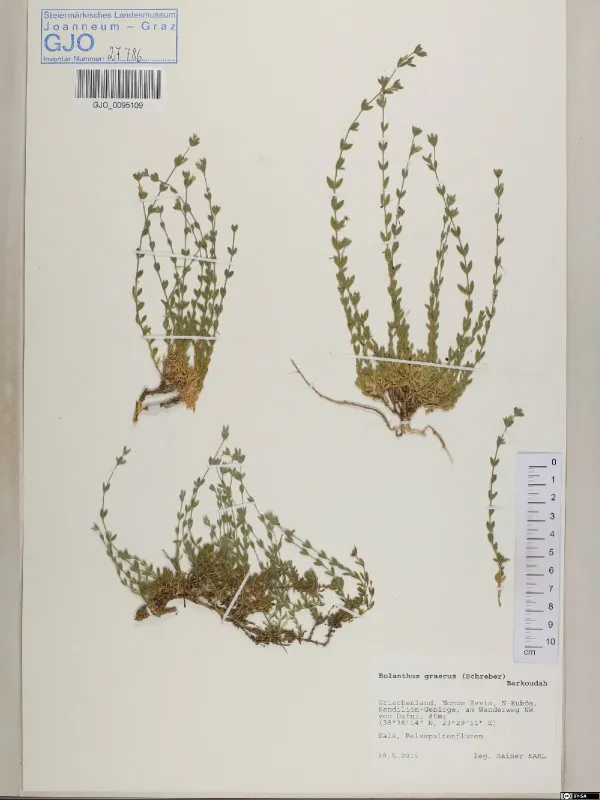
Description
Growing requirements
Bolanthus graecus is a herbaceous perennial belonging to the Caryophyllaceae family. Native to the Balkan mountains, this plant has evolved to thrive in specialized rocky habitats and limestone screes, making it an excellent candidate for alpine or rock garden cultivation.
The botanical structure of the plant features a dense, cushion-like form with slender leaves. This adaptation allows the plant to reduce transpiration, ensuring survival in harsh mountain environments with poor soil quality and intense solar radiation.
Successful cultivation of Bolanthus graecus requires a well-drained substrate with a neutral to alkaline pH level. Ensuring that water flows away from the crown of the plant is critical, as standing moisture is the primary cause of failure in agricultural or garden settings.
Regarding climate, the plant demands full sun exposure to maintain its characteristic compact shape. It is highly resilient to dry conditions but requires protection from excessively humid, stagnant conditions, especially during the dormant winter months in wetter climates.
Agricultural management should focus on minimal intervention. Fertilizer applications should be very limited, as rich soils cause excessive, weak growth that renders the plant susceptible to environmental stress and reduces its natural aesthetic appeal.
Main diseases and pests
The primary threats to Bolanthus graecus are fungal pathogens, specifically those causing root and crown rot. These diseases are almost exclusively triggered by improper drainage and excessively high moisture levels in the soil profile.
Leaf spots caused by various fungi may appear during prolonged wet weather. To mitigate this risk, it is essential to ensure adequate air circulation around the plants and to avoid overhead irrigation, which keeps the foliage moist for extended periods.
Pest pressure often includes spider mites, which can become problematic during hot and dry summer months. These pests suck nutrients from the leaves, causing stippling and eventual chlorosis if left untreated with appropriate acaricidal measures.
Aphids are another potential nuisance, particularly during the flowering stage. They colonize tender shoots and flower buds, potentially stunting growth and reducing the plant's overall reproductive success if not managed in a timely manner.
Weed management is a critical component of the maintenance routine, especially during the establishment phase. Because the plant grows relatively slowly, it cannot compete with aggressive weeds, which must be cleared manually to prevent competition for light and nutrients.