
Blepharostoma trichophyllum
Blepharostoma trichophyllum
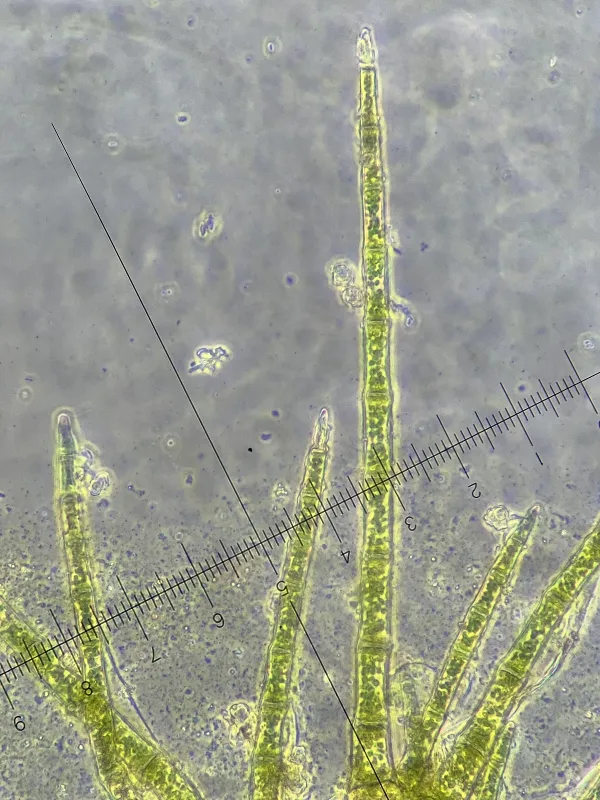
Description
Growing requirements
Blepharostoma trichophyllum is a species of liverwort that belongs to the family Blepharostomataceae. While it is not an agricultural crop and has no commercial value for cultivation, it serves as a fascinating subject of study in bryology due to its unique structural adaptations.
The plant is defined by its thread-like shoots and tiny, deeply divided leaves that appear hair-like, giving it a delicate, feathery appearance. These tiny structures allow the plant to thrive in damp, shaded niches where competition for space and resources is specific to moisture-loving bryophytes.
This species is widely distributed throughout the temperate and northern regions of the Holarctic. It is commonly found in coniferous and mixed forests, particularly in moist, cool environments where the canopy provides sufficient protection against evaporation.
The ecological requirements for this plant are strictly defined by its need for a stable, humid environment. It typically colonizes decaying wood, moist humus, or shaded rock crevices. It lacks any commercial cultivation practices because its growth rate and biomass production are incompatible with agricultural systems.
In terms of agricultural threats, the plant is not a weed and does not harbor pests for commercial crops. Its presence is generally a sign of a healthy, humid forest microclimate. Because it does not produce edible or industrial yields, it is exclusively studied within the framework of environmental monitoring and botanical research.