
Blasia pusilla
Blasia pusilla
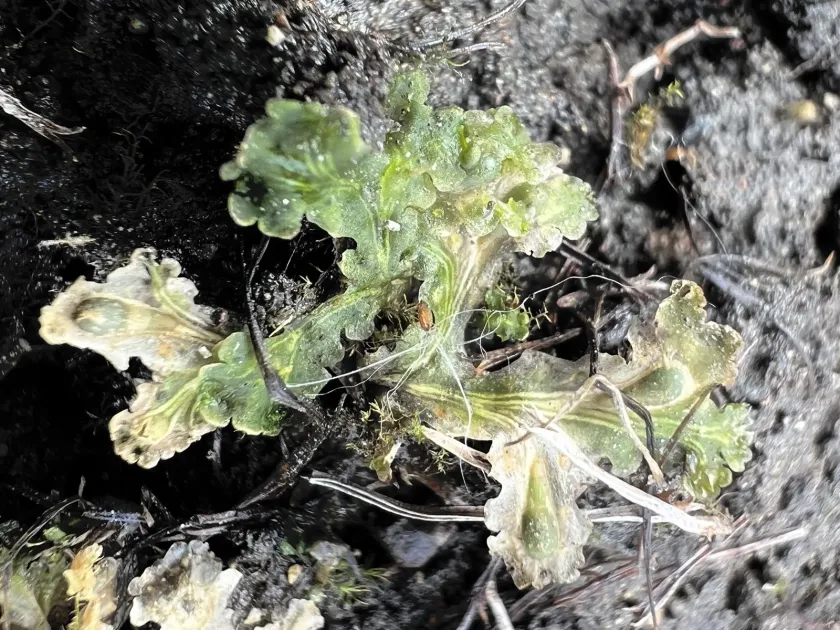
Description
Growing requirements
Blasia pusilla is a unique species of thalloid liverwort belonging to the monotypic family Blasiaceae. This perennial spore-bearing plant is often regarded as a pioneer species in natural ecosystems, capable of colonizing disturbed habitats.
The plant prefers moist, open sites with disturbed soil surfaces. In the wild, it is frequently found on clayey riverbanks, damp roadsides, and in quarries, where competition with vascular plants is relatively low.
Stable high humidity of both the substrate and the air is critical for the development of Blasia. Optimal temperatures for vegetation are in the temperate range, as the plant is sensitive to prolonged periods of drought, which can lead to growth stagnation.
The soil profile for this species must have high water-holding capacity. The best growth results are observed on slightly acidic or neutral clay and loam soils that lack dense vegetation cover, which would otherwise cause excessive shading.
A notable biological feature of Blasia is the presence of specialized cavities within the thallus, which host symbiotic colonies of Nostoc cyanobacteria. This symbiosis enables the plant to fix atmospheric nitrogen, providing a significant advantage in nutrient-poor substrates.
Main diseases and pests
Blasia pusilla is susceptible to phytopathogenic fungi that develop rapidly under conditions of stagnant waterlogging. High humidity combined with poor surface soil aeration often triggers decay processes within the thallus.
Among pests, small soil invertebrates such as nematodes and collembolans can cause the most damage to the plant. They tend to feed on young parts of the thallus, which is particularly detrimental to colonies during the stage of active expansion.
A key risk factor is anthropogenic contamination of the substrate. Chemical agents, particularly fungicides and herbicides used on adjacent fields, suppress the activity of symbiotic cyanobacteria, leading to the rapid degradation of the liverwort.
Competition from higher vascular plants serves as the main natural obstacle to the species. The encroachment of moss competitors or intense colonization by grasses forces Blasia out of its ecological niche due to changes in light intensity.
Intensive drying of the topsoil also has a negative impact. Under extreme water loss, the plant loses turgidity, rendering its structure brittle and highly vulnerable to mechanical stress and secondary infections.