
Blachia umbellata
Blachia umbellata
Description
Growing requirements
Blachia umbellata is a perennial evergreen shrub or small tree belonging to the large and diverse family Euphorbiaceae. It is native to the tropical regions of South and Southeast Asia.
The plant thrives in warm, humid climates and is typically found in evergreen forest ecosystems where it benefits from consistent tropical rainfall and stable temperatures.
To successfully cultivate this species, it is essential to provide well-drained, fertile soil. It does not tolerate waterlogging, so soil structure is a priority for healthy root development.
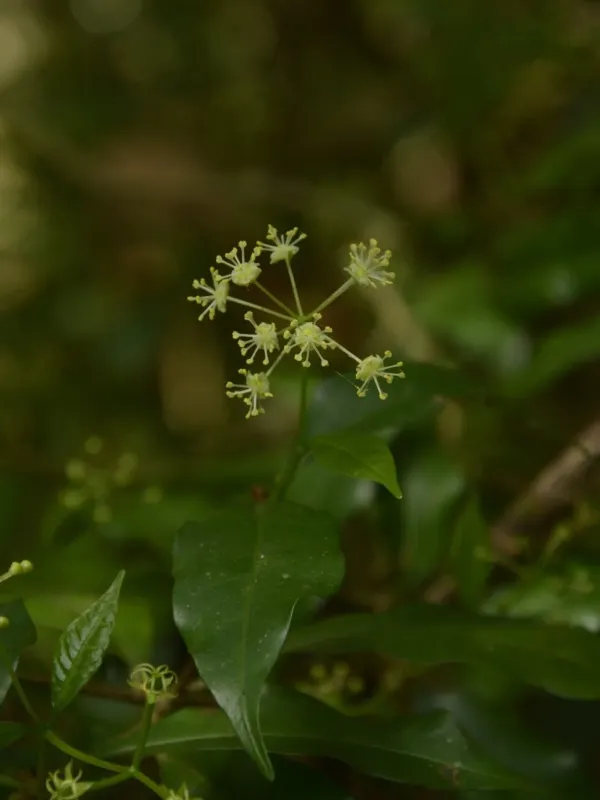
Botanically, it is characterized by alternate leaves and umbrella-like inflorescences. These features make it a unique subject for study within the Euphorbiaceae family, known for its diverse morphological traits.
Economic and agricultural utility of this plant is largely localized. It serves mainly as a botanical specimen in tropical landscapes or as part of natural vegetation management programs in its native range.
Main diseases and pests
The primary threats to Blachia umbellata involve fungal pathogens that affect the roots when soil moisture levels are consistently too high, leading to root rot symptoms.
Pests such as aphids and scale insects are common in tropical garden settings. These insects feed on plant sap and can weaken the shrub if left uncontrolled.
Leaf-eating insects also pose a challenge, necessitating regular monitoring to maintain the structural integrity and health of the shrub's foliage.
Proper ventilation and pruning are essential maintenance practices to prevent the accumulation of humidity within the shrub canopy, which inhibits fungal growth.
Integrated pest management strategies are recommended, focusing on maintaining plant vigor through appropriate soil nutrients and environmental monitoring.