
Bilacunaria boissieri
Bilacunaria boissieri
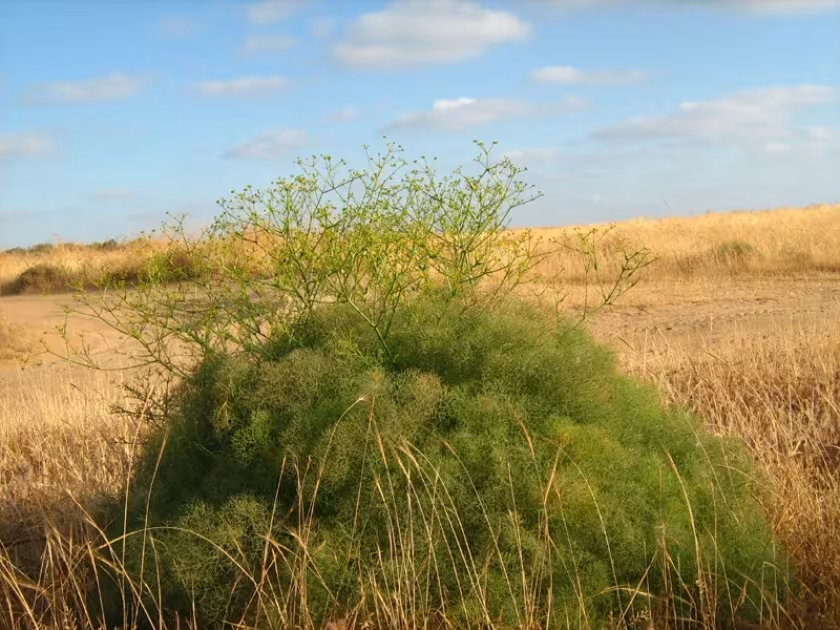
Description
Sowing dates
Bilacunaria boissieri is a perennial herb that benefits significantly from autumn sowing, which mimics natural environmental cycles and ensures better germination.
Seeds should be planted in well-prepared, fine-textured soil at a depth of approximately 1.5 to 2 centimeters to ensure adequate moisture retention.
For spring sowing, seeds must undergo cold stratification for at least one month at temperatures between 2 and 5 degrees Celsius to break dormancy.
The spacing between rows should be maintained at 45 to 60 centimeters to allow for proper airflow and mechanized equipment passage during cultivation.
Adequate seed density is vital to avoid overcrowding, which can lead to competition for nutrients and increased susceptibility to diseases during the early stages.
Growing requirements
As a member of the Apiaceae family, this plant thrives in fertile, well-drained soils with a neutral or slightly alkaline pH level.
The species requires full sun exposure to stimulate the synthesis of essential oils and other secondary metabolites, which are its primary economic value.
Good soil aeration is critical; therefore, avoiding heavy clay soils that are prone to waterlogging is essential for the healthy development of its taproot.
Climatic conditions should ideally mimic its native range in arid or semi-arid mountainous regions, characterized by distinct seasonal transitions.
While the plant is hardy, it requires consistent but moderate irrigation during its initial growth stages to establish a strong root system.
Yield
The yield potential of Bilacunaria boissieri is optimized in the third year of growth, when the plant reaches its full physiological maturation.
Total biomass production, including both foliage and roots, is the primary indicator of harvest success and economic profitability for the grower.
Strategic fertilization with nitrogen-balanced fertilizers during the spring can enhance vegetative growth and improve the overall leaf-to-root ratio.
Consistency in harvest timing is crucial to maximize the concentration of active ingredients, which can be measured through laboratory analysis.
Proper management of the plantation ensures stable yields for several consecutive years, making it an efficient crop for sustainable agricultural systems.
Main diseases and pests
Fungal diseases, specifically root rot and powdery mildew, are the most significant threats to the crop when drainage conditions are suboptimal.
Pests such as aphids and various larvae of the umbrella moth can damage leaves and reproductive structures, severely impacting yield quality.
Weed management during the first two months after emergence is critical because the seedlings exhibit slow initial growth and are easily suppressed.
Integrated pest management strategies are recommended to minimize reliance on chemical agents and protect the final quality of the harvested medicinal product.
Regular field scouting is necessary to identify potential threats early and apply localized treatments before infestations become widespread.
Harvesting
Harvesting the aerial parts is ideally performed during the peak flowering stage to ensure the highest quality of harvested botanical material.
Roots should be harvested at the end of the season when the plant has entered dormancy and energy stores are concentrated in the root system.
Post-harvest handling requires immediate cleaning and drying in a controlled environment at temperatures not exceeding 40 degrees Celsius.
Proper storage involves keeping the dried product in sealed containers away from direct sunlight to prevent degradation of volatile compounds.
Quality control at the harvest stage includes checking for signs of mold or contamination to ensure compliance with industry standards for raw materials.