
Biebersteinia multifida
Biebersteinia multifida
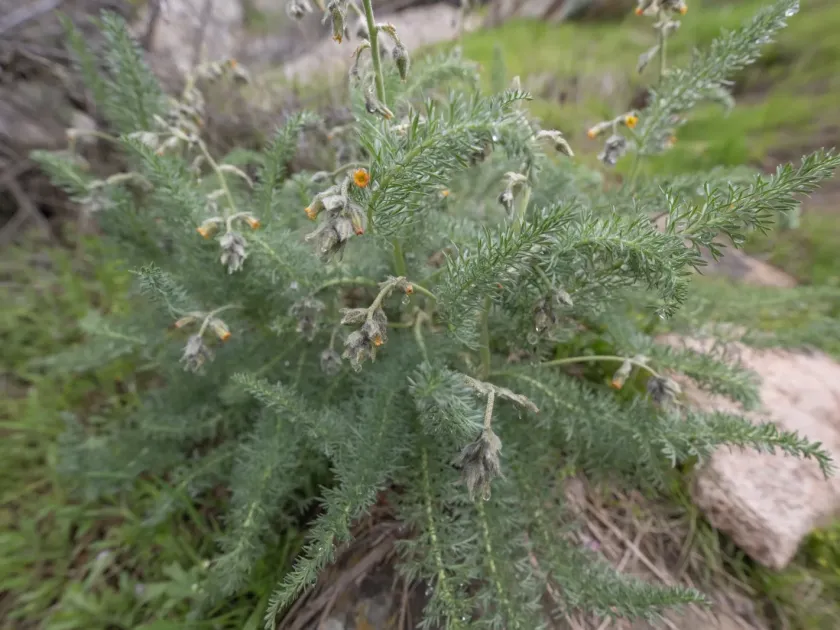
Description
Growing requirements
Biebersteinia multifida is a perennial herbaceous plant belonging to the family Biebersteiniaceae. It is native to the high-altitude regions of Central and Western Asia, as well as the Caucasus, where it typically thrives in rocky terrains and scree slopes.
The plant is characterized by its deeply divided, fern-like leaves forming a basal rosette and strong, erect flower stalks bearing yellow inflorescences. Its primary botanical strategy is the development of a deep, taproot system designed to extract water and nutrients from sparse, rocky soil.
For successful agricultural cultivation, the plant requires well-drained, porous soils, ideally with a high percentage of grit or gravel. Poor drainage is the most significant limiting factor for this species, as it is highly susceptible to root rot in waterlogged conditions.
Climate requirements include high solar radiation and a preference for cool, alpine-like temperature regimes. It is highly resistant to cold, making it suitable for regions with harsh winters, provided that the soil does not become saturated during the thawing period.
The economic value of this culture lies primarily in its phytochemical potential. It is researched for its high concentration of biologically active compounds, such as alkaloids and flavonoids, which are processed for use in anti-inflammatory and analgesic herbal pharmaceuticals.
Main diseases and pests
The primary threats to Biebersteinia multifida involve fungal pathogens that target the root crown and root system. High humidity levels and inadequate air circulation are the main precursors to these diseases, often leading to total loss of the crop.
Pests that may infest the plant include spider mites, particularly in greenhouse or sheltered conditions. Soil-dwelling organisms like nematodes can also occasionally damage the root structure, although the plant's natural chemical defenses provide some protection against generalist pests.
Effective management of diseases requires a focus on preventive cultural practices rather than reactive chemical treatments. Maintaining the integrity of the root system through precise irrigation scheduling is the most critical component of disease control.
Standard prevention strategies include ensuring proper spacing between plants to allow for airflow and selecting sites with high exposure to wind and sun. Using sterilized soil media for starting seeds is also vital to avoid early-stage infections.
Regular monitoring for physiological stress is essential. If localized yellowing or wilting occurs, the affected plant should be removed immediately to isolate potential pathogens and protect the rest of the cultivated area from infection.