
Bidens riparia
Bidens riparia
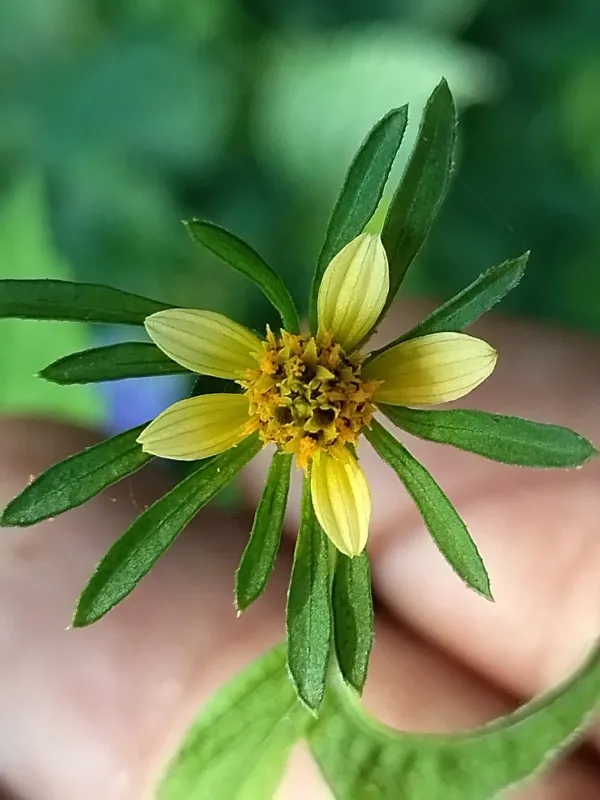
Description
Growing requirements
Bidens riparia is an annual herbaceous plant belonging to the Asteraceae family, naturally found in moisture-rich environments such as riverbanks and wetlands.
The plant requires high soil moisture levels to thrive and reach its full development potential, making it ideal for cultivation near bodies of water or in damp areas.
Fertile soils rich in organic matter, with a neutral to slightly acidic pH, are preferred to ensure optimal nutrient uptake and robust growth of the aerial parts.
Being a sun-loving species, Bidens riparia requires full exposure to sunlight; shade can significantly inhibit its growth and lower the concentration of medicinal compounds.
Stable moderate temperatures are essential for this crop, as it is sensitive to severe frost and requires consistent warmth during the initial stages of germination and early development.
Yield
The primary agricultural goal for this crop is the production of medicinal-grade biomass, which is harvested and processed for its anti-inflammatory properties.
High yields depend on maintaining proper plant spacing, which optimizes light penetration and prevents overcrowding that could lead to poor air circulation.
The biomass productivity reaches its peak during the active budding stage, which is the ideal window for large-scale harvesting to ensure the highest quality of raw materials.
Supplemental fertilization during the vegetative growth phase can enhance the total yield, provided that soil moisture remains consistent throughout the process.
The commercial quality is determined by the careful selection of stems and leaves, removing any woody or discolored materials that do not meet pharmacopoeial standards.
Main diseases and pests
The most common pests affecting this culture are aphids, which target the tender stems and young leaves, potentially reducing the overall quality of the harvest.
Fungal pathogens such as powdery mildew represent a significant risk, particularly in areas with poor ventilation or stagnant air conditions around the plant canopy.
Root rot can occur due to excessive soil moisture if the drainage is insufficient, which can damage the plant's ability to absorb water and nutrients properly.
Management strategies include regular scouting for early pest detection and maintaining proper spacing to allow sufficient airflow between individual plants.
The use of biological control agents is recommended to mitigate pest impact while ensuring that the chemical residue levels remain compliant with strict herbal product regulations.
Harvesting
Harvesting is performed by cutting the upper portions of the stems during dry weather to prevent moisture buildup and potential spoilage of the harvested material.
Immediate drying in a shaded, well-ventilated environment is crucial to preserve the vital secondary metabolites and maintain the characteristic green color of the plant.
Drying temperatures must be carefully regulated and should not exceed 45 degrees Celsius to avoid the degradation of essential oils and other sensitive bioactive components.
Once dried, the product should be stored in moisture-proof containers in a cool, dark location to ensure its longevity and maintain its pharmaceutical efficacy.
Routine inspection during storage is necessary to ensure that moisture levels remain low, protecting the harvest from mold and other microbial contamination.