
Besleria lutea
Besleria lutea
Description
Growing requirements
Besleria lutea is a perennial shrub belonging to the Gesneriaceae family. Originating from the tropical regions of the Caribbean and Central America, this plant is primarily found in shaded, humid mountain forest environments, which dictates its specific cultivation requirements.
This species thrives in high humidity conditions and requires a stable, warm environment. Maintaining temperatures between 18 and 26 degrees Celsius is essential, as the plant does not tolerate frost or cold drafts, which can cause significant physiological stress to the shrub.
Regarding soil requirements, Besleria lutea demands a well-draining, nutrient-rich substrate with an acidic to neutral pH. A mix containing organic peat, leaf mold, and inorganic aerating agents is recommended to simulate its natural epiphytic or terrestrial habitat in the rainforest.
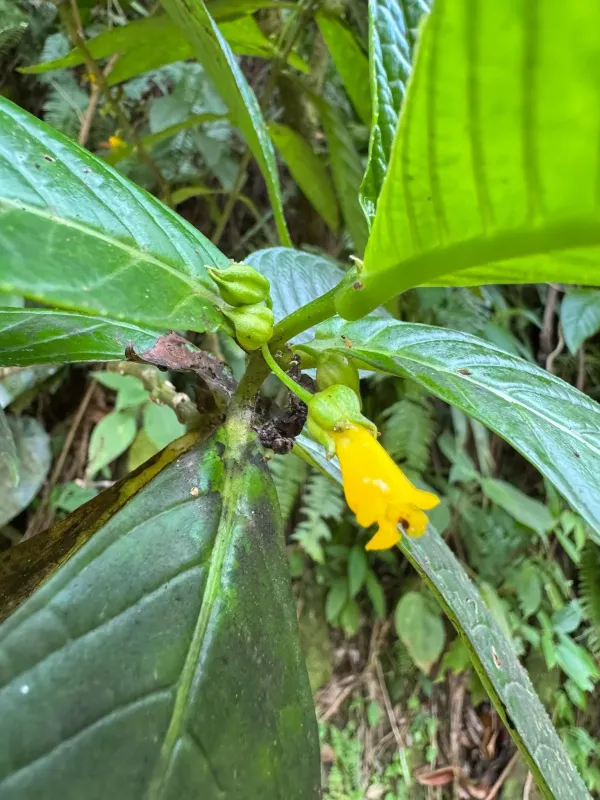
Botanically, the plant is characterized by its opposite, often serrated leaves and vibrant yellow, tubular flowers that emerge from the leaf axils. These flowers are the primary trait that makes the species desirable for conservatory collections and interior botanical landscaping.
Its primary use is purely ornamental within specialized greenhouse environments. Due to its specific environmental demands, it is not a commercial field crop but rather a highly regarded plant for enthusiasts of the Gesneriad family and tropical botany.
Main diseases and pests
Common health issues include fungal pathogens such as Botrytis and root rot, which are often exacerbated by poor air circulation and excessive moisture in the root zone. Regular pruning of damaged leaves is necessary to maintain the plant's overall health and vigor.
Pest threats include common greenhouse insects such as mealybugs, spider mites, and aphids. These pests can rapidly colonize the plant in indoor conditions, necessitating biological control methods or systematic application of plant-safe treatments to prevent infestation.