
Trincomalee wood
Berrya cordifolia
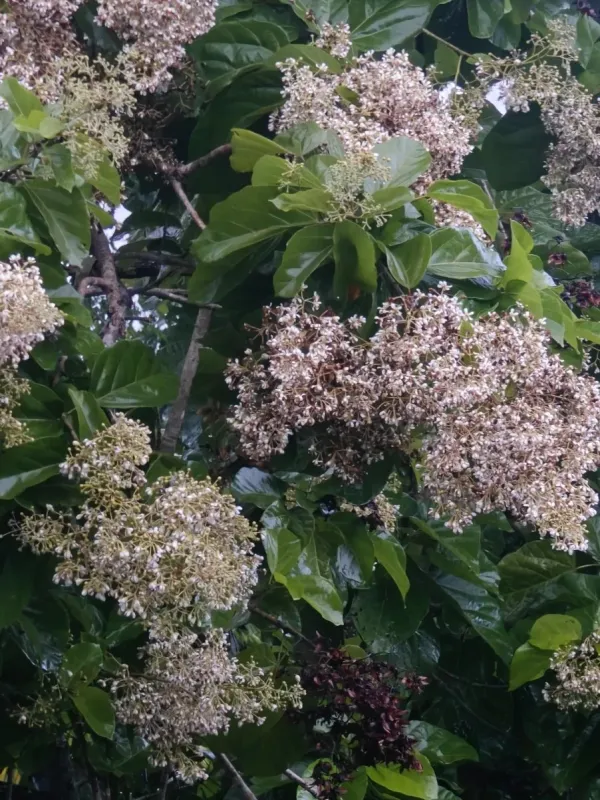
Description
Growing requirements
Berrya cordifolia, commonly known as Trincomalee wood, is a prominent member of the Malvaceae family. It is a large deciduous tree native to the tropical regions of India, Sri Lanka, Myanmar, and other parts of Southeast Asia, known for its rapid growth.
The tree thrives in moist, tropical climates that experience distinct wet and dry seasons. It requires high levels of solar radiation, making full sunlight essential for the optimal growth of young plantations and forest stands.
Regarding soil, Berrya cordifolia performs best on deep, fertile, and well-drained soils. While it can adapt to various soil types, avoiding waterlogged conditions is crucial, as the species is sensitive to poor drainage which can negatively impact overall health.
Successful cultivation requires careful site preparation and weed management during the establishment phase. Young trees are prone to competition from fast-growing weeds, which necessitate regular clearing to ensure the saplings gain the necessary height and vigor.
Forestry practices involve monitoring planting density to encourage the development of tall, straight boles. This structural focus is paramount for ensuring high-quality timber yield at the end of the rotation period.
Harvesting
The primary utility of Berrya cordifolia lies in its exceptional timber. The wood is extremely hard, strong, and durable, which has earned it a reputation as a high-quality material for both traditional and industrial applications.
In practice, the timber is extensively used for tool handles, plow beams, boat building, and house construction. Its ability to withstand significant physical stress makes it superior to many softer wood varieties available in the same geographical regions.
Harvesting is typically conducted once the trees reach maturity. Sustainable management practices are often employed, such as selective harvesting or clear-cutting followed by replanting, to ensure the long-term viability of timber supplies.
The mechanical properties of the wood allow it to be crafted into fine carpentry, though it requires sturdy tools due to its density. Its natural resistance to environmental factors also makes it suitable for semi-outdoor applications.
Beyond timber, the bark of the tree has been historically used for fiber production. The combination of ecological adaptability and high timber value makes Berrya cordifolia a significant species for tropical reforestation and economic development.