
Bergeranthus multiceps
Bergeranthus multiceps
Description
Growing requirements
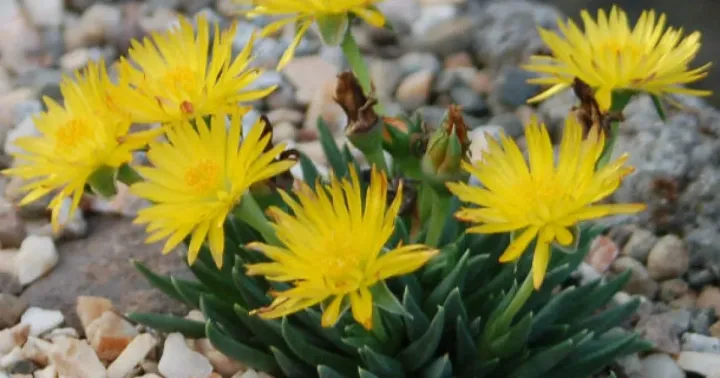
Bergeranthus multiceps is a succulent perennial plant belonging to the Aizoaceae family. Native to the Eastern Cape of South Africa, this species is naturally adapted to rocky habitats and arid climates, making it an excellent candidate for specialized indoor collections.
The plant features small, fleshy, triangular leaves arranged in compact rosettes that grow in dense clumps. Its most distinct aesthetic feature is the production of bright, golden-yellow flowers that typically bloom during the late spring and summer months under optimal conditions.
Successful cultivation requires intense light exposure to maintain the plant's compact form. In an indoor environment, it should be placed in the sunniest location available, preferably a south-facing window, to prevent etiolation and promote healthy flower bud development.
The soil requirements emphasize excellent drainage and aeration. A grit-heavy mix, comprising inorganic components such as pumice, coarse sand, and a minimal amount of potting soil, is essential to prevent moisture accumulation around the roots.
Temperature management involves a warm growing season followed by a cool dormant period during winter. Keeping the plant in a cooler environment (around 10-12 degrees Celsius) during winter helps mimic its natural cycle and encourages more vigorous blooming in the following season.
Main diseases and pests
The most significant threat to the health of Bergeranthus multiceps is the development of root rot due to overwatering. Maintaining a wet environment for the root system is fatal, as the plant's tissues are highly sensitive to prolonged moisture.
Mealybugs are the primary pest concern for this species. These insects often cluster in the hidden crevices between the dense leaves, where they suck sap and weaken the plant, necessitating regular inspections and appropriate chemical control.
Spider mites may occasionally infest the plant, particularly if the humidity is extremely low and there is little air circulation. These pests cause discoloration of the leaf epidermis, giving the plant a sickly or faded appearance.
Prevention of pathogens requires a strict adherence to dry cultivation methods. Providing adequate ventilation around the plant's foliage is critical to preventing fungal outbreaks, especially after any accidental wetting of the leaves.
In cases of severe infestation or rot, immediate repotting into fresh, dry substrate is recommended. Removing damaged roots and ensuring that only healthy, firm tissue remains is the primary strategy for plant recovery after health issues.