
Berberis soulieana
Berberis soulieana
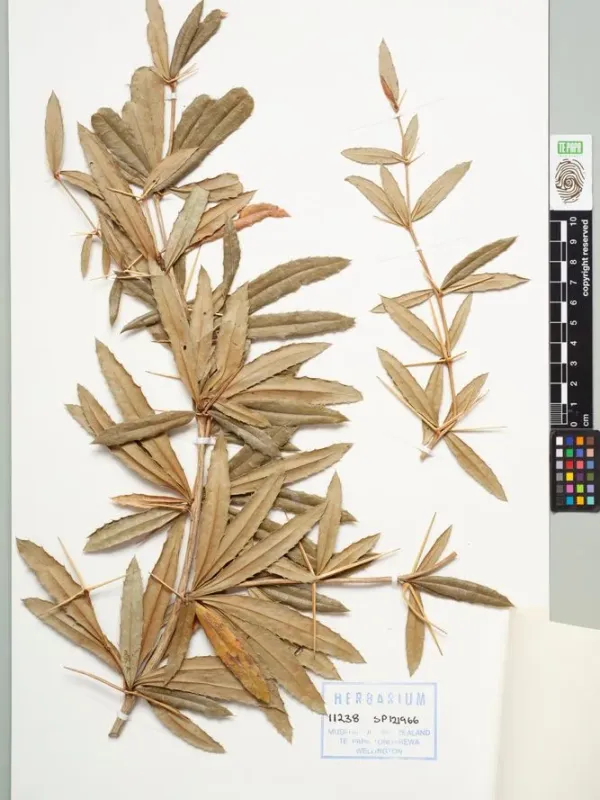
Description
Sowing dates
Propagation of Berberis soulieana is most effectively achieved through vegetative methods, such as stem cuttings. Taking semi-hardwood cuttings during the mid-summer period ensures the highest success rate for root development and plant survival.
Seed propagation is also a viable option but requires a cold stratification process lasting at least two to three months. Sowing the seeds in a nursery bed during the autumn allows for natural winter chilling, which breaks dormancy for spring germination.
For establishing new shrubs, transplanting container-grown plants into the garden is best done in early spring before active growth begins. Alternatively, early autumn planting is acceptable in temperate climates to allow root establishment before the ground freezes.
Proper spacing is crucial for the health of this species. When planting in groups or hedges, maintain a distance of at least 1.5 to 2 meters between plants to ensure that each shrub has enough airflow to prevent moisture-related fungal issues.
Following the initial planting, provide deep, consistent watering until the plant is established. Adding a layer of organic mulch around the root zone helps maintain soil moisture levels and reduces the emergence of competing weeds.
Growing requirements
Berberis soulieana, a member of the Berberidaceae family, is an evergreen to semi-evergreen shrub native to China. It is valued for its structured habit and resilience, making it a popular choice for both residential and large-scale landscaping.
The species thrives in full sun, which is necessary to maintain its dense foliage and vigorous growth. While it can adapt to partial shade, light availability directly impacts its ability to produce fruit and its general vitality over time.
Soil requirements are relatively moderate; however, the plant performs best in well-drained, fertile loam. It is sensitive to waterlogged conditions, so ensuring the soil has excellent drainage is a critical prerequisite for long-term health.
The shrub shows reasonable cold tolerance once established but may require protection in exceptionally harsh winter climates. Mulching and wind protection are effective ways to prevent winter burn on the foliage of younger, more vulnerable plants.
Routine maintenance includes annual spring pruning to remove dead or diseased wood. Shaping the shrub immediately after flowering helps maintain a clean, tidy appearance and encourages bushier, more compact growth in the following season.
Yield
The primary economic and horticultural use of Berberis soulieana is as a decorative hedging plant. Its dense, thorny branches provide excellent security against wildlife, making it highly effective for perimeter fencing in rural or garden settings.
The plant produces small, dark blue, waxy berries that are edible, though their primary role in cultivation remains ornamental. They serve as a food source for local bird populations, contributing to the biodiversity of the garden environment.
Fruit yield is largely influenced by the plant's health and pollinator activity during the blooming phase. While not typically grown as a commercial fruit crop, the berries can be harvested for small-scale culinary or medicinal applications.
The roots and bark contain alkaloids, such as berberine, which are of interest in pharmacological studies and traditional herbal medicine. This gives the plant an additional layer of value beyond its purely structural role in the landscape.
As a flowering shrub, it serves as an early season nectar source for bees and other pollinators, playing a constructive role in supporting garden ecosystem stability throughout the spring months.
Main diseases and pests
Powdery mildew is the most common fungal issue for Berberis soulieana, appearing as a white, dusty layer on the leaves. Promoting airflow through proper pruning and planting spacing is the most effective preventative measure against this pathogen.
Aphids can occasionally infest the soft, young growth of the plant. If an infestation occurs, it is recommended to monitor the shrubs closely and use insecticidal soaps or targeted biological control methods to reduce their impact.
Leaf spot diseases may develop if the plant is kept in conditions of high humidity or poor ventilation. Removing affected leaves and improving the cultural environment usually helps to stop the progression of the disease in its early stages.
Proactive management of pests involves routine inspections during the growing season. Early detection allows for more manageable intervention without the need for heavy chemical usage, keeping the garden environment healthy for all inhabitants.
Maintaining strong, vigorous plants through appropriate feeding and soil care is the best line of defense against all types of threats, as healthy shrubs are naturally more resilient to environmental stress and opportunistic infections.