
Frikart's Barberry
Berberis frikartii
Description
Growing requirements
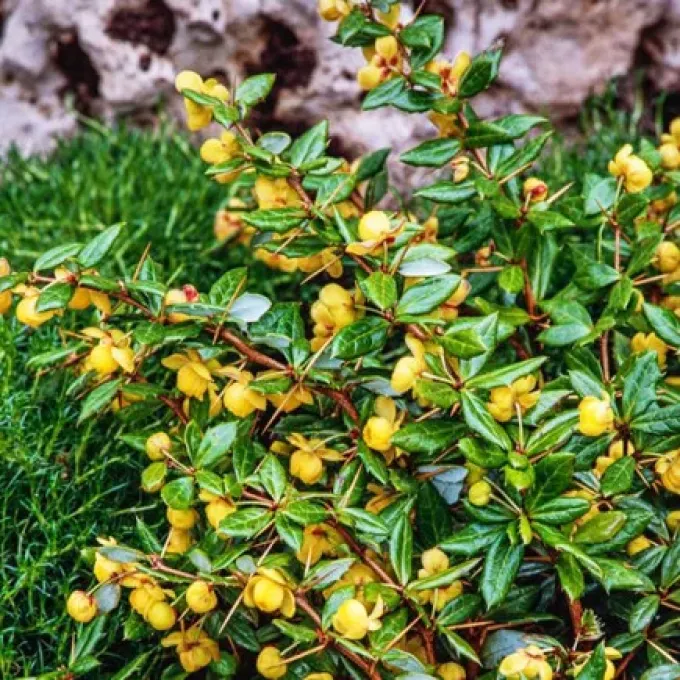
Frikart's Barberry (Berberis × frikartii) is a hybrid ornamental shrub belonging to the Berberidaceae family. This species is valued for its unique foliage and structural appearance, resulting from cross-breeding specific barberry varieties to enhance garden durability.
The plant thrives in full sun or light shade, requiring well-drained soil to maintain optimal health. While it is adaptable to various soil types, a neutral to slightly alkaline pH is generally preferred for the best growth rates and foliage coloration throughout the growing season.
Proper moisture management is essential, as the root system is susceptible to rot in waterlogged conditions. During the establishment phase, consistent watering is necessary; however, mature specimens demonstrate significant drought tolerance once they have successfully adapted to their environment.
General maintenance includes annual pruning to manage the shape and encourage dense growth, which is particularly useful for hedging or borders. Regular fertilizing in early spring provides the necessary nutrients for vibrant growth, supporting the plant's overall aesthetic impact in landscaping.
This shrub is widely utilized in landscape architecture for its versatility in hedges, rock gardens, and mass plantings. Its tolerance to urban pollution makes it an excellent choice for city parks and residential landscaping projects where low-maintenance but attractive plants are required.
Main diseases and pests
Common issues affecting Frikart's Barberry include powdery mildew and rust, especially in humid and poorly ventilated areas. Preventive measures include regular thinning of the branches to ensure proper airflow and the use of fungicides when environmental conditions favor fungal growth.
Pests such as barberry aphids and various lepidopteran larvae can cause damage to leaves if left unchecked. Early identification through frequent inspection of the underside of the foliage allows for effective management using biological or chemical control methods.
Root pathogens can pose a threat if the soil remains excessively damp over long periods. Maintaining appropriate soil structure and avoiding heavy compaction are vital steps in protecting the root system from decay-causing organisms during wetter seasons.
Integrated Pest Management (IPM) practices, including the removal of infected parts and monitoring of pest populations, are recommended to maintain plant health without excessive reliance on chemicals. Such practices support a more sustainable garden environment.
Applying preventative horticultural oil or fungicide treatments in the early spring, before buds break, can significantly reduce the pressure from early-season pathogens. A strong, well-nourished shrub is inherently more resistant to these threats than one under environmental stress.