
Berberis francisci-fernandi
Berberis francisci-fernandi
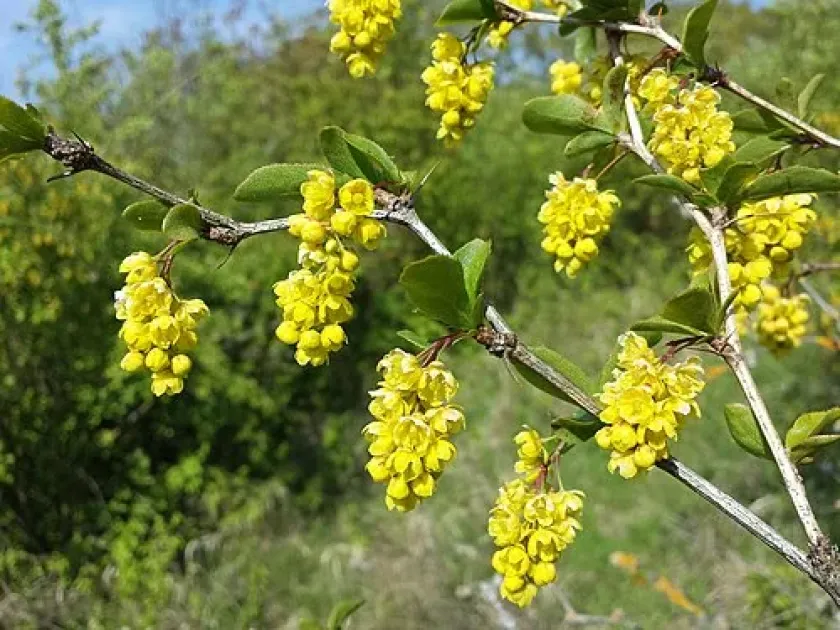
Description
Growing requirements
Berberis francisci-fernandi is a striking deciduous shrub belonging to the Berberidaceae family. Native to the mountainous regions of China, this species is valued for its hardiness and distinctive appearance in landscape design.
The plant thrives in sunny locations with well-drained, moderately fertile soil. It adapts well to various climatic conditions, showing good winter hardiness once established, although young plants benefit from mulch protection during their first winter.
Botanically, it is characterized by thorny stems and large leaves that display vibrant coloration during the autumn season. The plant can reach significant size, making it suitable for hedges or as a standalone focal point in a garden setting.
In terms of soil requirements, it prefers neutral or slightly alkaline conditions. It is crucial to ensure that the planting site has excellent drainage, as waterlogging is detrimental to the health of the root system.
Agricultural practices for this shrub involve regular pruning to maintain its structure and encourage denser foliage. Minimal supplemental watering is required once the root system has fully developed, though it should be kept moist during the first few years.
Main diseases and pests
Powdery mildew is the most common fungal disease affecting this species, especially in conditions with poor air circulation. Proper spacing between plants during the initial planting phase is a key preventive strategy.
Aphids can cause significant damage to the new growth during the spring months. Regular monitoring of the foliage and shoots allows for early intervention before the infestation impacts the overall health of the shrub.
Rust diseases are also a concern and can affect the aesthetic value and vitality of the leaves. Sanitation, including the removal of infected fallen leaves, is vital for breaking the disease cycle in the garden.
Larvae of moths and sawflies can sometimes consume the foliage. Integrated pest management, involving both physical removal and targeted treatments, is recommended to manage these threats effectively.
To keep the shrub resilient, ensure it receives proper sunlight and balanced fertilizer applications in early spring. Strong plant immunity is the best defense against both pests and common pathogenic fungi.