
Berberis bretschneideri
Berberis bretschneideri
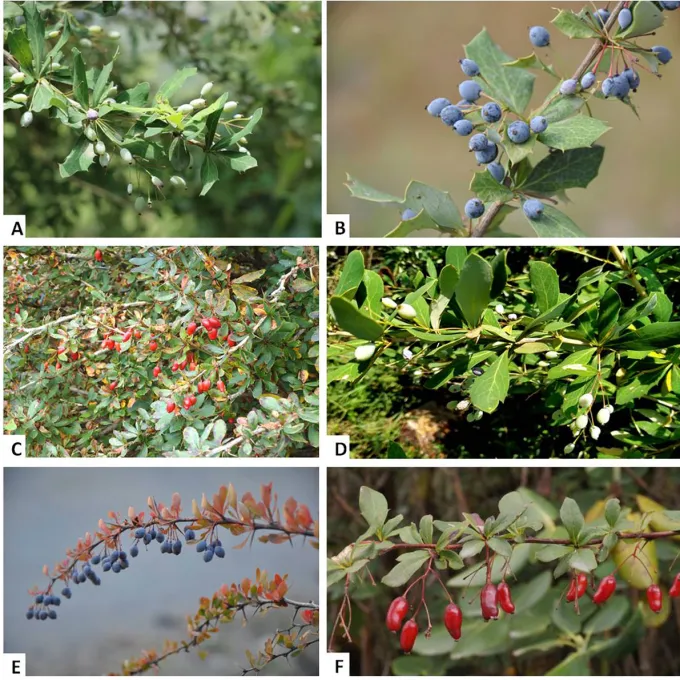
Description
Sowing dates
Berberis bretschneideri is typically propagated via seeds, which should be sown in the autumn to ensure they undergo necessary cold stratification outdoors.
For spring sowing, seeds must be artificially stratified in a cool environment for approximately three to four months to improve their germination rate.
The seeds are placed in well-prepared seedbeds at a shallow depth of 1–2 centimeters, ensuring they are covered with a light, airy soil mixture.
Seedlings emerge during the spring and require protection from intense direct sunlight and drought until they become well-established in the ground.
When planting, spacing should be carefully planned; for dense hedge rows, 40 to 50 centimeters between individual plants is generally recommended.
Growing requirements
This species belongs to the Berberidaceae family and is highly valued for its robust nature and adaptability to various temperate climatic conditions.
The plant thrives in sunny locations with well-drained, fertile soil, although it can tolerate partial shade and a range of soil pH levels.
Regular pruning is essential for maintaining the shrub’s shape, encouraging vigorous growth, and ensuring high yields of high-quality berries.
While the shrub is relatively drought-tolerant once mature, supplemental watering during the peak growing season significantly improves its overall performance.
Berberis bretschneideri is highly frost-hardy, making it an excellent choice for northern regions where other ornamental species might suffer winter damage.
Yield
The plant produces bright, red berries that are rich in vitamins, organic acids, and antioxidants, suitable for both culinary use and herbal medicine.
Productivity increases significantly as the plant matures, typically reaching its peak fruit-bearing potential after five to seven years of growth.
The berries are frequently used to create flavorful syrups, jams, and dried herbal infusions due to their unique tart taste and nutritional profile.
Beyond its fruit production, the species serves as a valuable nectar source for bees and other pollinators during its late-spring flowering period.
Its reliability as a high-yield producer makes it a popular candidate for sustainable permaculture and multi-purpose orchard designs.
Main diseases and pests
Berberis bretschneideri can be susceptible to fungal infections such as powdery mildew and rust, especially in environments with poor air circulation.
Pests like aphids and leaf-rolling caterpillars may occasionally infest the foliage, necessitating timely monitoring and integrated pest management strategies.
Proper sanitation, including the removal of dead or diseased wood and fallen leaves, is crucial for preventing the buildup of pathogen populations.
When necessary, eco-friendly fungicides and insecticides are used to mitigate threats, ensuring the safety of the harvest for human consumption.
- Spacing plants to ensure maximum sunlight and airflow.
- Monitoring leaf undersides for early signs of aphid infestation.
- Applying mulch to maintain soil moisture and discourage weeds.
Harvesting
The harvest season for this barberry species generally spans September through October, when the berries reach full maturity and peak sugar content.
Manual harvesting is the standard method, as the shrub’s sharp thorns make mechanical harvesting difficult and potentially damaging to the fruit.
To ensure freshness, harvested berries should be processed or dried immediately, as they have a relatively short shelf life at room temperature.
Dried berries retain their nutritional value and tart flavor, making them a shelf-stable ingredient for various food applications and health products.
Careful handling during the harvest process is important to preserve the integrity of the berries and prevent premature fermentation or degradation.