
Benstonea thwaitesii
Benstonea thwaitesii
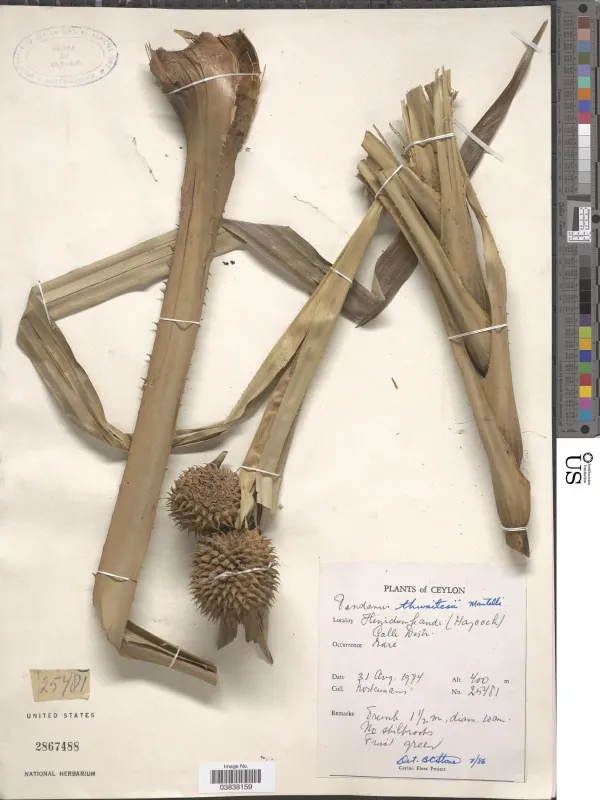
Description
Growing requirements
Benstonea thwaitesii is a distinct plant species belonging to the Pandanaceae family. Native to the tropical forests of Sri Lanka, this plant exhibits specialized morphological traits, including a robust stem structure and long, strap-like leaves that are typical of its taxonomic lineage.
Successful cultivation requires environmental conditions that mimic the humid tropical forest understory. It thrives in consistent temperatures ranging from 22°C to 28°C, and it is highly intolerant of cold stress or sudden drops in temperature, which can lead to rapid physiological decline.
The soil profile for this species must be highly porous and rich in organic matter. An effective cultivation medium consists of a blend of peat, bark, and perlite to ensure optimal aeration while maintaining the moisture levels required for the plant's unique root system.
Light management is crucial, as the plant is adapted to filtered light conditions. Excessive exposure to direct sunlight will cause leaf scorch and disrupt photosynthetic efficiency, necessitating the use of shade cloth in greenhouse environments to protect the foliage.
Watering strategies must balance the need for high moisture with the risk of root suffocation. The substrate should be kept consistently moist but never waterlogged. High ambient humidity is essential for maintaining the health of the aerial roots and preventing leaf tips from drying out.
Main diseases and pests
Root rot is the most significant pathological threat to Benstonea thwaitesii. It typically arises from poor drainage in the potting mix or excessive watering, leading to the rapid decay of the plant's delicate root system, which is often difficult to treat once advanced.
Pest management is a critical concern, with spider mites being the most common adversary. These pests flourish in low-humidity environments, and their infestation results in mottled leaves and reduced plant vigor, often necessitating immediate intervention with acaricides.
Scale insects and mealybugs frequently colonize the tight spaces between leaf bases. These sucking insects feed on the sap, causing growth stunting and creating a favorable substrate for the growth of sooty mold, which further interferes with the plant's normal development.
Fungal leaf spot diseases are common, appearing as dark, necrotic lesions on the leaf surface. These infections are often triggered by high moisture on the leaves combined with poor air circulation, underscoring the need for efficient ventilation systems.
Effective control measures involve maintaining strict hygiene in the cultivation area. Regular monitoring, proper plant spacing to facilitate airflow, and the use of targeted biological controls are essential practices for ensuring the long-term health and growth of this rare tropical species.