
Behaimia cubensis
Behaimia cubensis
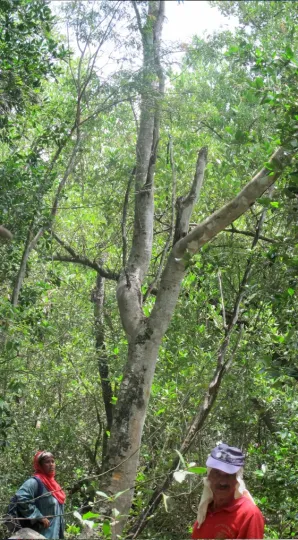
Description
Growing requirements
Behaimia cubensis is a distinct botanical species belonging to the legume family, Fabaceae. It is a monotypic genus native exclusively to the island of Cuba, making it a rare and ecologically significant plant species within its limited natural range.
This species functions as a hardwood tree, demonstrating slow to moderate growth rates characteristic of many tropical legumes. Its botanical architecture is optimized for competitive growth within tropical forest ecosystems, utilizing deep root structures for stability and resource acquisition.
The tree requires a stable tropical climate characterized by consistently warm temperatures and specific rainfall patterns. It thrives in well-draining soil profiles, as poor drainage and waterlogging can cause significant root stress and increase the incidence of decay.
In terms of habitat, the species prefers specific soil conditions that are rich in nutrients and organic matter typical of Cuban forest regions. Maintaining such soil health is crucial for the tree to reach its full commercial and ecological potential.
The primary economic value of Behaimia cubensis lies in its timber, which is highly regarded for its physical robustness and aesthetic qualities. It is primarily used in high-end cabinetry, furniture production, and specialized carpentry projects where durability is required.
Main diseases and pests
Like many endemic tropical species, Behaimia cubensis is vulnerable to habitat loss due to deforestation and land-use changes. These threats jeopardize the natural regeneration cycles required for the long-term survival of the species.
The primary biotic threats include various wood-boring insects and xylophagous pests that compromise the structural integrity of the trunks. These pests not only reduce the tree's health but also significantly decrease the quality of the timber for industrial use.
Fungal diseases, often facilitated by excessive moisture and environmental stressors, pose a constant challenge to the vitality of the stands. Early detection of decay and necrotic areas is essential for effective forestry management and disease mitigation.
Climate-related stressors, including extreme weather events such as hurricanes or shifts in seasonal precipitation, can exacerbate the susceptibility of the trees to environmental pathogens. Resilience can be managed by maintaining forest health and monitoring individual tree vigor.
Conservation strategies must focus on both preserving existing natural populations and implementing best practices for sustainable forestry. Protecting the biodiversity of the regions where Behaimia cubensis resides is the most effective defense against widespread pathogenic outbreaks.