
Batis
Batis
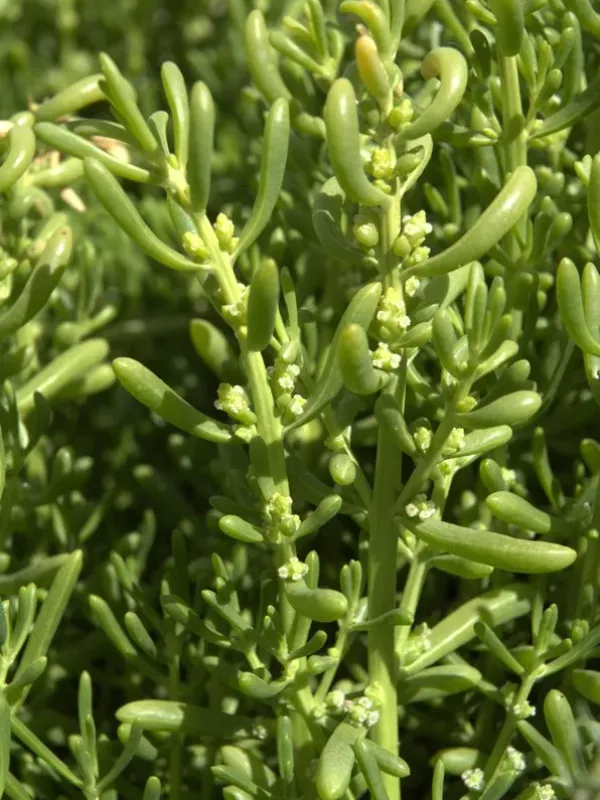
Description
Growing requirements
Batis is a genus of succulent halophytic shrubs that constitutes the entire family Bataceae. These plants are uniquely evolved to thrive in high-salinity environments that are typically toxic to most conventional agricultural crops.
The natural range of Batis covers tropical and subtropical coastal regions of the Americas. They are commonly found in salt marshes, tidal zones, and areas bordering mangrove forests where they withstand frequent inundation by seawater.
Botanically, the plant is characterized by fleshy, opposite leaves and a succulent stem structure. This morphological adaptation allows the plant to sequester salt and maintain osmotic balance, enabling it to utilize saline water sources for its physiological needs.
Regarding cultivation requirements, Batis demands full sun exposure and constant access to moisture in saline substrates. It performs best in sandy or silty coastal soils that provide necessary aeration while retaining essential minerals.
In terms of agricultural utility, Batis is currently viewed as a candidate for bioremediation of degraded saline lands and a potential source of biomass. Research into its nutritional composition suggests potential use in specialized fodder or as a source of minerals for specific applications.
Main diseases and pests
The primary advantage of Batis from a protection standpoint is its natural resilience. Growing in highly saline conditions effectively inhibits the proliferation of most soil-borne fungi and bacteria that affect traditional crops.
There are very few documented agricultural pests that specifically target Batis. The plant’s high salt content acts as a significant deterrent to most generalist herbivores, minimizing the risk of widespread foliage damage.
The main threats to the crop are environmental rather than biological. Rapid changes in local hydrology, such as extreme desalinization or severe water stagnation, can disrupt the plant's physiological regulation.
While the plant is hardy, anthropogenic pollution in coastal zones, such as the accumulation of heavy metals or hydrocarbons in the substrate, poses the greatest risk to its healthy development and eventual product safety.
Consequently, the cultivation of Batis requires minimal chemical intervention. Maintaining the natural salinity of the soil is the single most important factor in ensuring the plant remains free from common agricultural diseases.