
Barnebydendron riedelii
Barnebydendron riedelii
Description
Growing requirements
Barnebydendron riedelii is a rare and ecologically significant tree species belonging to the Fabaceae family. Originating from the tropical forests of South America, specifically Brazil, this tree is a testament to the diverse flora of the Neotropics.
The plant demands a strictly tropical environment, characterized by high humidity and consistent warmth throughout the year. It lacks the physiological mechanisms to survive freezing temperatures, making it unsuitable for cultivation outside of tropical climatic zones.
Regarding soil requirements, this species thrives in nutrient-rich, well-draining substrates. It is essential to ensure that the soil pH remains within a neutral or slightly acidic range to promote optimal nutrient uptake and root development for the growing tree.
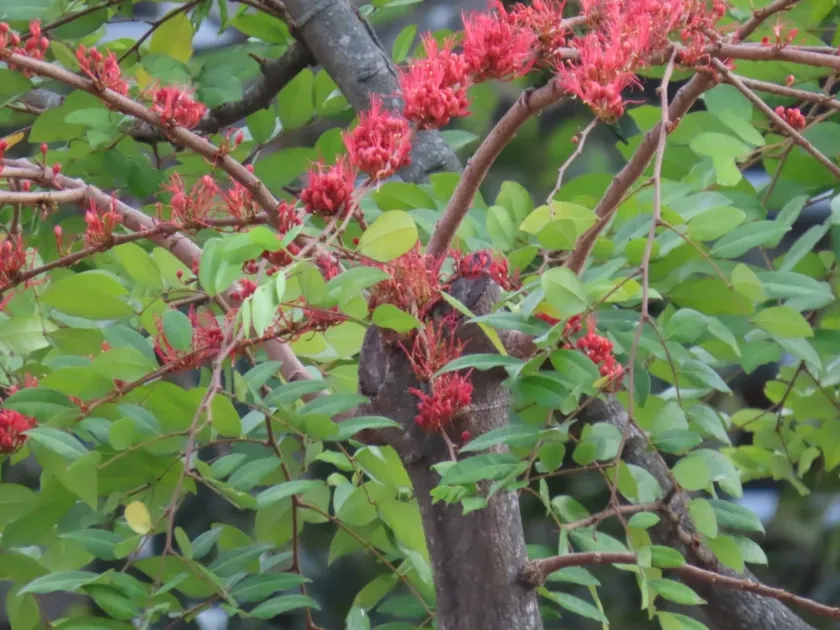
Botanically, the tree is noted for its distinctive pinnate leaves and the production of pods typical of the legume family. It develops a sturdy trunk and a broad canopy, which contributes to its stature as an important structural component in its native forest habitat.
The primary use of the species is currently focused on conservation and scientific interest within botanical gardens. Because of its rarity, it serves as a valuable subject for studies concerning the biodiversity and regeneration of tropical forest ecosystems.
Main diseases and pests
Typical threats include various pathogenic fungi that thrive in the high-humidity conditions of tropical environments. Ensuring proper spacing and airflow between individual trees is the most effective cultural practice to prevent fungal outbreaks and leaf diseases.
Insect pests are also a significant factor, particularly those that target tropical legumes. Integrated pest management strategies are advised, focusing on early detection and the use of eco-friendly control measures to maintain the health of the specimens.