
Bambekea racemosa
Bambekea racemosa
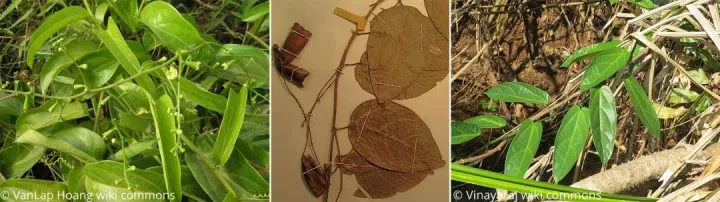
Description
Sowing dates
Bambekea racemosa is a notable species within the Cucurbitaceae family. As a tropical vine, it requires specific environmental conditions that mimic its native habitat to ensure successful germination and early growth.
The sowing process begins with high-quality seed selection. Because the species originates from equatorial regions, seeds must be planted in a warm, sterile substrate where temperatures stay consistently between 25 and 30 degrees Celsius.
The soil should be light, well-draining, and enriched with organic matter. Proper preparation includes ensuring that the media is loose enough to allow the developing roots to penetrate easily without restriction.
Seeds are typically sown at a depth of 2 to 3 centimeters. Moisture levels must be managed carefully, ensuring the substrate remains damp but never waterlogged, which can otherwise lead to seed rotting before emergence.
Once seedlings have reached the two-leaf stage, they require stable lighting conditions. Proper spacing is essential at this early phase to prevent etiolation and to promote the development of strong, healthy stems.
Growing requirements
Bambekea racemosa thrives in conditions characterized by high humidity, ideally maintained above 70 percent. Maintaining this humidity is crucial for preventing the drying out of delicate leaf tissues.
The plant demands a consistent, balanced supply of nutrients. Nitrogen is particularly important during the vegetative stage to encourage vigorous vine elongation, while potassium supports structural integrity and reproductive development.
Light management involves providing bright, filtered illumination. Direct, intense sunlight can stress the plant, leading to leaf scorching and potential reproductive failure, so shading is often employed in greenhouse setups.
Vertical support systems are mandatory for this species. Using trellis nets or sturdy bamboo frames allows the vine to exhibit its climbing habit, which is essential for proper air circulation and leaf health.
Optimal soil pH levels should be kept in the near-neutral range, between 6.0 and 7.0. Regular testing is recommended to ensure that micronutrients remain available for the plant's metabolic processes.
Main diseases and pests
Fusarium wilt is a primary biological threat to Bambekea racemosa. It manifests as a sudden drooping of the vine, often triggered by unfavorable soil moisture and suboptimal temperatures that weaken the host.
Spider mites are common pests that flourish in warm, dry environments. They cause extensive damage by feeding on cell sap, resulting in stippled, discolored leaves and significantly reduced photosynthesis capacity.
Powdery mildew represents a frequent fungal challenge for this Cucurbitaceae member. It usually appears when there is insufficient ventilation combined with fluctuating humidity levels within the growing area.
Aphid infestations on young, succulent shoot tips can cause severe stunted growth and leaf distortion. Integrated pest management, including biological controls, is preferred over aggressive chemical applications.
Root rot, driven by stagnant water, is a silent killer of this plant. Ensuring perfect drainage through gravel or perlite incorporation into the potting mix is the best strategy for long-term health.