
Balsamocitrus dawei
Balsamocitrus dawei
Description
Sowing dates
The propagation of Balsamocitrus dawei is primarily achieved through seeds or stem cuttings. Seeds should be extracted from fully ripened fruits and sown promptly to maintain high viability.
Sowing should take place in a well-draining, loose medium, maintaining a stable soil temperature between 22 and 25 degrees Celsius. Consistent moisture is required, but waterlogging must be avoided to prevent seed rot.
Seedlings should be transplanted after developing several true leaves. The plant exhibits a moderate growth rate during early stages, requiring careful management of the root system to prevent transplant shock.
When using cuttings, the application of rooting hormones is recommended, as woody stems root slowly. Spring, the period of peak vegetation, is the optimal time for vegetative propagation.
In its native East African range, the seeds are often dispersed by animals, which has evolutionary implications for the seed coat’s durability and the necessary conditions for successful germination.
Growing requirements
Balsamocitrus dawei belongs to the Rutaceae family and is a tropical species that requires consistently warm temperatures and high humidity to thrive throughout the year.
The plant prefers deep, fertile loamy soils with a neutral or slightly acidic pH. Effective aeration and drainage are critical to prevent the development of root-related diseases.
While the tree is heliophilic, young plants benefit from partial shade during the hottest parts of the day to avoid leaf scorch and excessive transpiration.
The tree demonstrates some resilience to periodic drought in its native habitat due to its deep root architecture, but regular irrigation is essential for commercial fruit production.
When grown in containers, Balsamocitrus dawei requires adequate root space and regular fertilization with a balanced mix of macro- and micronutrients to maintain health and productivity.
Main diseases and pests
Scale insects are among the most common pests affecting Balsamocitrus dawei, as they feed on the sap of leaves and tender stems, potentially weakening the tree over time.
In greenhouses or controlled indoor environments, spider mites pose a significant risk, particularly if humidity levels are allowed to drop too low for extended periods.
Fungal infections, such as anthracnose, can affect both the foliage and developing fruit, especially in areas with high rainfall or improper air circulation around the canopy.
Root rot caused by pathogens like Phytophthora is a major threat in soils with poor drainage, making the selection of an appropriate planting site or container medium vital.
Effective management includes regular monitoring for early signs of infestation, sanitation through the pruning of affected parts, and the targeted use of integrated pest management strategies.
Harvesting
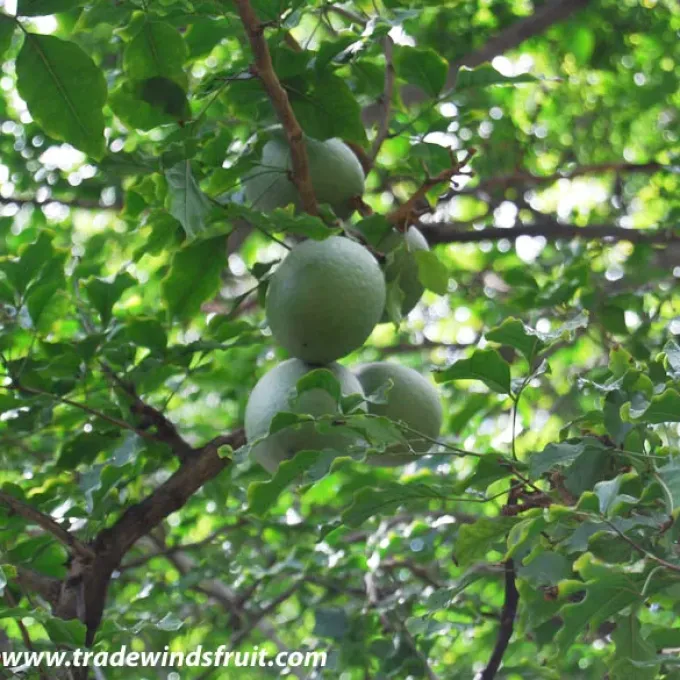
The fruits of Balsamocitrus dawei are characterized by a unique, hard, woody shell, which protects the aromatic pulp and seeds inside, distinguishing them from typical citrus fruits.
Harvesting should be conducted when the fruit reaches its mature color and emits a characteristic fragrance, indicating that the seeds are fully developed.
Given the hard nature of the rind, mechanical tools are often required to open the fruits, and care must be taken during the harvest to minimize physical damage to the outer shell.
Beyond its culinary potential, the empty shells are traditionally used by local communities to create durable vessels and household containers.
The harvest frequency depends on local climatic cycles, but the tree is generally known for its ability to produce a reliable crop annually under favorable tropical conditions.