
Balmea stormiae
Balmea stormiae
Description
Growing requirements
Balmea stormiae is a rare and unique shrub belonging to the Rubiaceae family. It is native to the cloud forests of Central America, primarily found in restricted regions within Mexico, Guatemala, and El Salvador.
The plant thrives in high-altitude environments characterized by consistent moisture and cool, stable temperatures. It is not a traditional agricultural crop and is rarely seen outside of botanical garden collections.
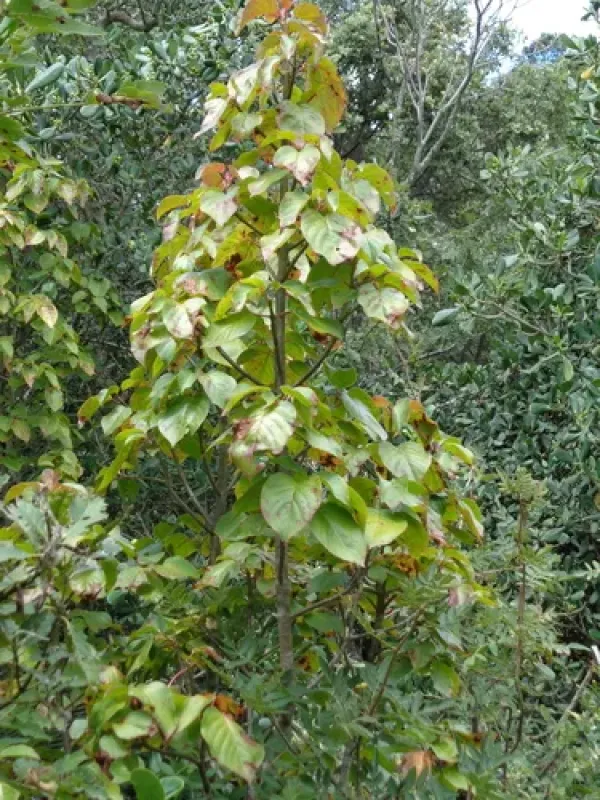
Botanically, it features distinct glossy foliage and tubular, showy flowers. The growth habit is typically shrubby, and the species is known for its slow development rate in greenhouse conditions.
Optimal growth requires a well-draining, nutrient-rich, slightly acidic soil medium. Maintaining high atmospheric humidity is essential, as the plant is highly sensitive to dry air and fluctuations in temperature.
While not cultivated for commercial agricultural use, the species is highly valued for its rarity and beauty in conservation-focused horticulture. Protecting its natural habitat is the primary focus for its survival.
Main diseases and pests
The primary threat to Balmea stormiae is the ongoing destruction of its natural cloud forest habitat due to deforestation and land-use changes. Small, fragmented populations make it extremely vulnerable to extinction.
In cultivation, the species is prone to root rot if the substrate remains waterlogged. Ensuring proper drainage is the most critical factor in preventing the loss of these sensitive plants.
Pests such as spider mites and aphids can cause significant damage in indoor or greenhouse settings where air circulation may be insufficient. Regular monitoring is required to manage these outbreaks effectively.
Fungal infections on the leaves can develop when humidity is high but ventilation is poor. Maintaining a balance between moisture and airflow is the key to preventing common botanical ailments.
Conservation efforts involve propagating the species in protected environments to reduce the pressure on wild populations. Strict adherence to botanical care protocols is necessary to avoid stressing the plants.