
Platycodon grandiflorus
Platycodon grandiflorus (Jacq.) A. DC.
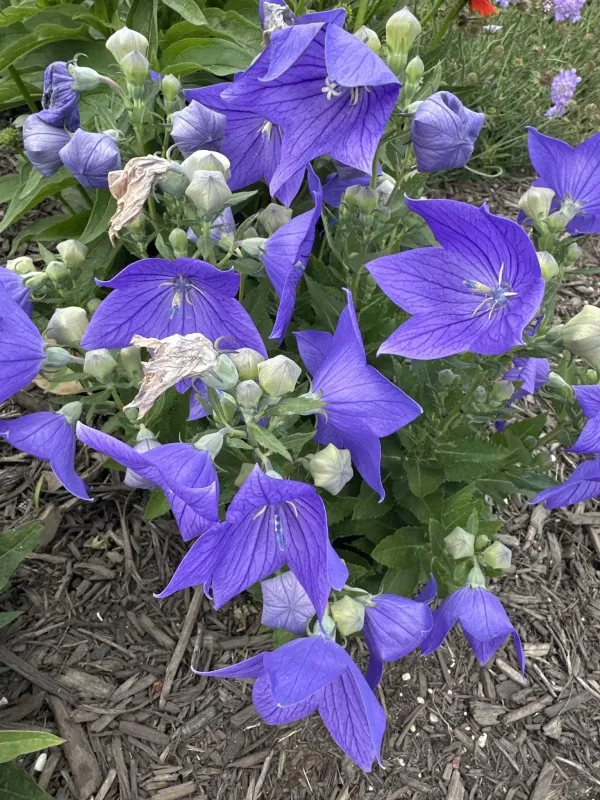
Description
Sowing dates
Sowing Platycodon grandiflorus seeds in open ground is typically planned for spring, once the danger of frost has passed, or for late autumn sowing to allow for natural stratification. The optimal time is late April or early May when soil temperatures reach 15-18 degrees Celsius.
For indoor starts, seeds are sown in February or March in containers with a loose, well-draining substrate. Because the seeds are tiny, they should not be buried deep but merely lightly dusted with vermiculite or sand, ensuring adequate light exposure for germination.
Seedlings emerge within 2–3 weeks under conditions of stable moisture and warmth. Pricking out the seedlings is performed once the 2–3 true leaf stage is reached, taking great care not to damage the delicate taproot system.
When transplanting to a permanent location, maintain a spacing of at least 20–30 centimeters between plants. This distance is crucial for ensuring proper air circulation and preventing moisture buildup in the root zone.
Young plants develop slowly during their first year, focusing on root development. Timely weed control is essential, as the crop is highly sensitive to competition for nutrients during the early growth stages.
Growing requirements
The balloon flower belongs to the Campanulaceae family and is the sole member of the genus Platycodon. This herbaceous perennial is native to East Asia, including Korea, China, and Japan, where it thrives in mountain meadows.
Successful cultivation requires well-drained, fertile loamy soils with a neutral or slightly acidic pH. The crop is extremely sensitive to waterlogging, which often leads to rotting of the fleshy, tuberous roots.
The plant prefers sunny sites but can tolerate light shade in hotter climates. In full sun, the flower color becomes more vibrant, and the stems develop better strength, making them more resistant to lodging.
The species exhibits good cold hardiness suitable for temperate zones. The root system is capable of overwintering in the soil provided there is sufficient snow cover, though light mulching is recommended for snowless, harsh winters.
Effective agronomy requires moderate but regular watering during the active growing season. Mineral fertilizers should be applied twice per season: at the beginning of shoot growth and just before the onset of mass blooming.
Yield
The economic use of Platycodon grandiflorus is diverse. It is primarily valued as an ornamental crop in landscape design, popular for borders, rock gardens, and as a long-lasting cut flower in floral arrangements.
In many Asian countries, particularly Korea, the plant is cultivated as a significant agricultural crop for its edible roots. The roots are consumed boiled, pickled, or dried, often utilized in traditional cuisine for their unique flavor profile.
The roots contain biologically active saponins, making them a valuable raw material for the pharmaceutical industry. They are widely used in traditional medicine as an expectorant and anti-inflammatory agent.
Harvesting for commercial purposes generally occurs in the third or fourth year of growth. At this stage, the root has accumulated the maximum concentration of beneficial compounds, reaching an optimal mass for market sale.
Yield depends heavily on the level of agronomic care and planting density. In intensive farming systems, consistent biomass production is achievable by maintaining strict nutrition schedules and weed suppression.
Main diseases and pests
The main biological threats to Platycodon are fungal diseases that develop due to excessive soil moisture. The most common issues are root rot and fusarium, which primarily attack the root collar of the plant.
Pests rarely cause significant damage to the plant, although in certain years, plantings may be attacked by slugs and snails. These pests feed on young shoots and leaves, reducing the aesthetic appeal of the garden displays.
To combat fungal pathogens, prophylactic seed treatment and strict crop rotation are recommended. It is important to avoid planting on sites previously used for nightshade crops, which are prone to similar infections.
If signs of decay appear, it is necessary to reduce irrigation frequency and apply systemic fungicides. Loosening the topsoil to improve root aeration is also a beneficial preventive measure.
- Slugs can be managed through mechanical trapping or the use of approved snail baits.
- Systematic removal of infected plant parts helps halt the spread of the disease to healthy specimens.
Harvesting
Harvesting the roots for medicinal use is performed in autumn, after the growing season concludes and the above-ground foliage dies back. During this dormancy, the roots concentrate the highest levels of active saponins.
Roots are carefully lifted from the soil using a pitchfork to minimize mechanical injury. They are then thoroughly washed to remove soil residues, while lateral rootlets and damaged sections are trimmed away.
Drying is conducted in well-ventilated rooms or specialized drying units at temperatures not exceeding 50 degrees Celsius. High-quality dried root should remain resilient and free from any mold growth.
For ornamental purposes, harvesting of the inflorescences should occur at the half-open bud stage. This significantly extends the vase life of the flowers and enhances their marketability.
Dried plant material should be stored in paper bags or airtight containers in a cool, dark location. Proper storage conditions allow the product to maintain its quality and medicinal properties for up to 2 years.