
Baillonella toxisperma
Baillonella toxisperma
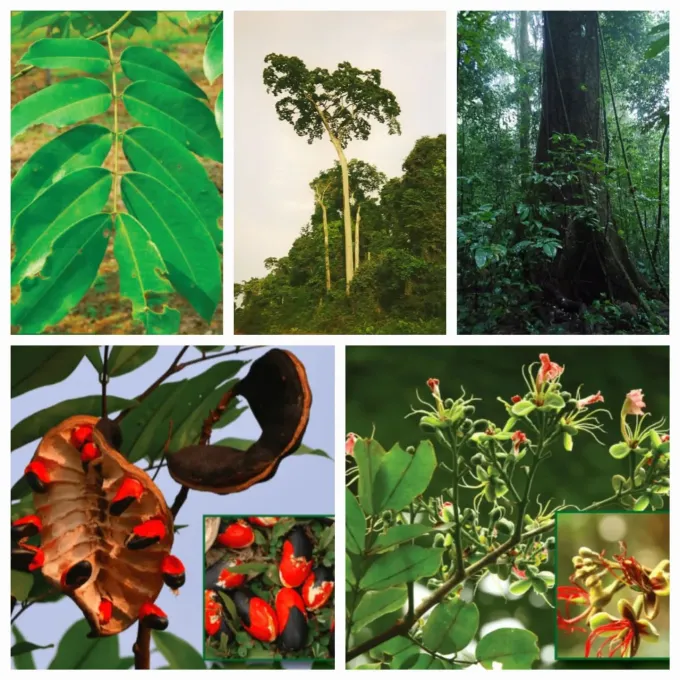
Description
Growing requirements
Baillonella toxisperma, commonly known as Moabi or Makore, belongs to the Sapotaceae family. It is a massive tropical tree species native to the rainforests of Central and West Africa, reaching significant heights and playing a vital role in the canopy layer.
This species requires a warm, humid tropical climate with minimal seasonal fluctuation. It thrives in regions with consistent rainfall, which is critical for its metabolic processes and sustained growth throughout the year.
The preferred soil types for Baillonella are deep, fertile, and well-drained soils, typically found in primary rainforest areas. While it can adapt to various soil compositions, it generally avoids waterlogged or overly sandy terrains that lack nutrient richness.
Agronomically, the tree is characterized by slow growth rates and a long maturation period. Due to these biological traits, it is primarily managed through sustainable forest harvesting rather than traditional short-cycle plantation agriculture.
The tree is economically prized for two main products: its high-quality, durable timber, often used for construction and fine furniture, and its oil-rich seeds, which provide essential fatty acids used in both food production and cosmetic industries.
Main diseases and pests
The primary threat to the stability of Baillonella toxisperma populations is deforestation and industrial land clearing. Because the trees take decades to mature, they are highly vulnerable to over-exploitation.
Biological threats include various seed-boring insects that can consume a significant portion of the harvest if not monitored. These pests are particularly active during the ripening stage of the fruit.
Fungal pathogens can pose a risk if the tree's health is compromised by external damage, such as injuries to the trunk or branches. However, the tree's natural resinous defenses provide a degree of protection against common tropical pathogens.
Competition from fast-growing pioneer species in the forest gap can prevent young Baillonella saplings from reaching the canopy level, leading to poor natural regeneration rates in disturbed forests.
Climate-induced stressors, such as irregular rainfall patterns, may further impede the tree's ability to produce consistent annual yields, making long-term conservation and management strategies essential for the species' survival.