
Baculellum articulatum
Baculellum articulatum
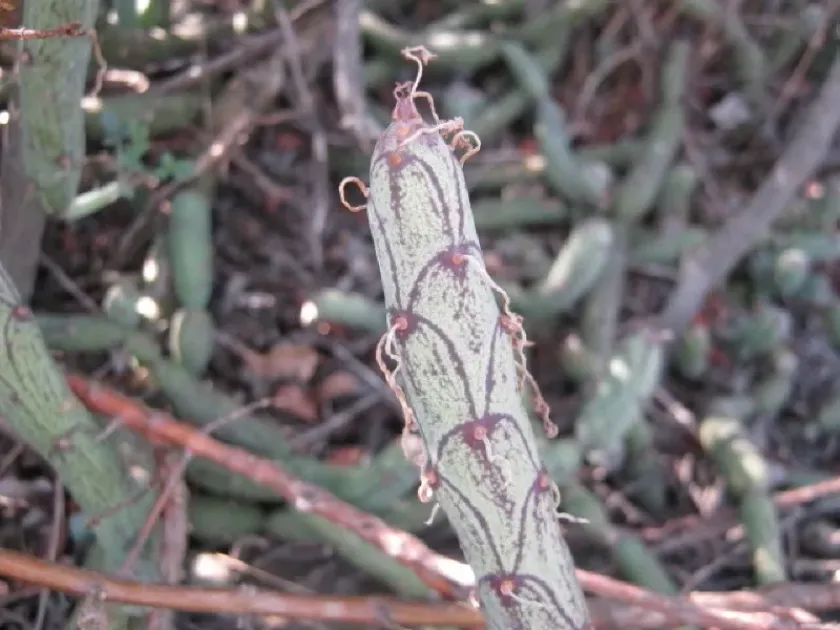
Description
Sowing dates
The successful cultivation of Baculellum articulatum begins with precise sowing timing, aligned with soil temperatures reaching at least 12 to 14 degrees Celsius. Cold soil conditions are detrimental and can significantly delay emergence or lead to seed decay.
Preparation of the seedbed is essential, as the species requires loose, well-draining soil to support early root development. Planting should ideally take place in mid-spring to ensure stable environmental conditions for the juvenile plants.
Seeding depth should be maintained at a consistent 2 to 3 centimeters. Uniform depth is critical for ensuring that all plants germinate simultaneously, which facilitates later management tasks such as fertilization and weeding.
Before sowing, seeds should be treated with protective agents to prevent early-stage damping-off. This pre-sowing preparation significantly boosts the overall vigor of the plantation and ensures a more uniform canopy later in the season.
Monitoring the initial growth stage is necessary to ensure that the stand density remains within the desired parameters for the chosen harvest method, whether manual or mechanized.
Growing requirements
Baculellum articulatum thrives in fertile, well-draining soil with a neutral pH. The presence of excessive moisture in the root zone is the most common cause of crop failure, necessitating fields with natural or artificial drainage systems.
Being a highly light-demanding crop, it should be cultivated in open, sunny fields. Shade exposure not only reduces the rate of growth but also changes the plant's structural characteristics, making the stems more brittle.
Water requirements are moderate throughout the growth period, but irrigation management should be precise. Over-watering can lead to physiological stress, whereas consistent, moderate soil moisture promotes healthy articulation of the stems.
Mineral nutrition should be balanced, with an emphasis on phosphorus and potassium during the initial growth phases. These elements are vital for the structural integrity of the plant and for its resistance to environmental stress.
In greenhouse settings, air circulation is of paramount importance. High humidity and static air can promote the development of fungal spores on the surface of the articulated segments.
Yield
Yield potential in Baculellum articulatum is directly related to the agronomic management practices implemented during the vegetative phase. Higher biomass is achieved when competition with weeds is strictly minimized.
The development of the plant's characteristic segments is the primary indicator of crop health. A healthy plant will exhibit a high number of well-formed segments, which are the main components of the final harvestable product.
Modern fertility management, including fertigation techniques, can significantly enhance the production per hectare. By delivering nutrients directly to the root system, farmers can optimize the resource use efficiency of the crop.
Preventing overcrowding is essential, as the crop requires adequate space to reach its full productive potential. Thinning operations should be conducted if the initial seed rate was higher than the recommended density.
Regular inspections throughout the season allow for data-driven adjustments to the fertilization plan, ensuring that the crop receives optimal nutrients exactly when it enters its most intensive growth periods.
Main diseases and pests
Fungal root rots remain the primary threat to the stability of the crop, especially when drainage is inadequate. Pathogens thrive in the moist environments created by improper irrigation techniques or high local rainfall.
Pests, particularly aphids and mites, can cause damage by feeding on the sap of young, developing segments. Their activity often leads to growth deformations and serves as a pathway for secondary viral or bacterial infections.
- Implement a strict crop rotation schedule to break the life cycle of soil-borne pathogens.
- Use biological control agents to manage aphid populations during the early vegetative phase.
- Maintain weed-free conditions around the base of the plants to reduce moisture accumulation.
- Ensure equipment is disinfected after use in different plots to prevent cross-contamination.
Early intervention is crucial when symptoms of infestation appear. Systemic fungicides or insecticides should be applied according to local agricultural regulations to maintain the safety and quality of the harvest.
By prioritizing a healthy, stress-free environment for the plants, the need for chemical intervention is minimized, and the long-term productivity of the soil is better preserved.
Harvesting
The harvest period is determined by the maturation of the plant's segments, which should be firm and fully developed. Harvesting too early results in low quality, while delaying harvest can lead to structural brittleness.
When using manual harvesting methods, it is imperative to use sharp blades to ensure clean cuts, which heal faster and reduce the likelihood of post-harvest infection or rot in the remaining stubble.
Post-harvest handling is critical for maintaining market standards. The biomass must be cleaned of soil and debris immediately after being removed from the field to prevent contamination of the internal tissues.
Drying is a key stage, requiring low-humidity, shaded environments with excellent airflow. Controlled drying prevents internal cell damage and ensures the product maintains its biological properties for the final user.
Storage should be conducted in climate-controlled conditions to keep moisture levels stable. This prevents the development of mold and preserves the structural integrity of the articulated segments throughout the shelf life.