
Sentang
Azadirachta excelsa
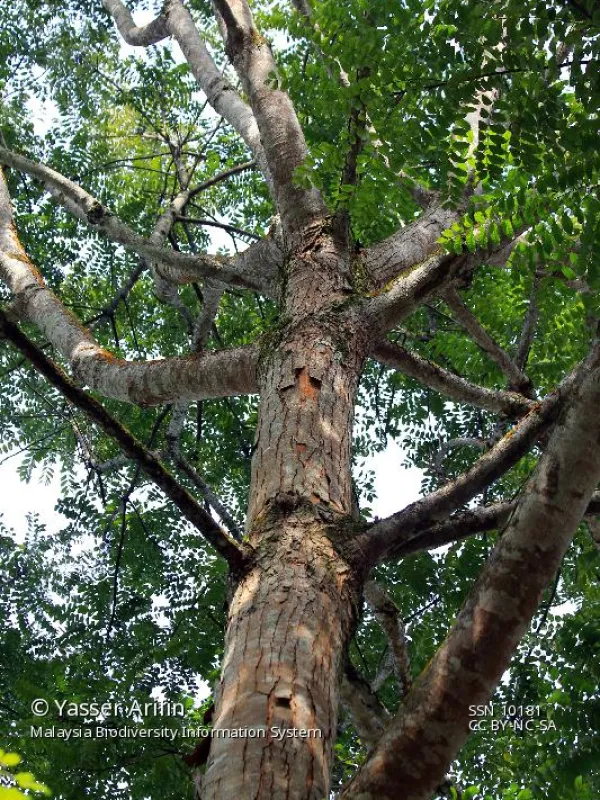
Description
Growing requirements
Azadirachta excelsa, commonly known as Sentang, is a prominent tropical tree species belonging to the Meliaceae family. It is highly valued in forestry for its fast growth rate and the production of high-quality timber for various construction purposes.
Native to the tropical rainforests of Southeast Asia, including Malaysia and the Philippines, this species thrives in humid environments with consistent rainfall patterns. It is structurally robust and can reach significant heights in its natural habitat.
The tree requires deep, fertile, and well-drained soils to reach its full potential. It avoids waterlogged areas, which can cause root system decay, and prefers soils with good aeration to facilitate rapid biomass accumulation.
Climate requirements include high temperatures, ideally ranging between 25°C and 32°C. While it is hardy, it requires protection from extreme cold and prolonged periods of drought, especially during the early stages of establishment.
Proper agricultural practices involve weed management in the first few years to reduce competition for nutrients. Light thinning and maintenance of the forest floor are essential to promote healthy growth and straight bole formation.
Yield
The primary utility of Azadirachta excelsa lies in its timber production. The wood is durable, moderately hard, and resistant to termites, making it an excellent choice for indoor furniture, cabinetry, and high-quality plywood manufacturing.
Beyond timber, the species is recognized for its biochemical properties. Leaves and seeds contain bioactive compounds, primarily azadirachtin derivatives, which are utilized as eco-friendly botanical insecticides in organic farming systems.
Oil extracted from the seeds is increasingly used in cosmetic and pharmacological applications. It possesses antiseptic and anti-inflammatory properties, providing additional value to farmers who cultivate these trees as a dual-purpose crop.
Yields of seeds typically commence after 5 to 7 years. The productivity depends heavily on site selection, tree spacing, and consistent maintenance practices implemented during the vegetative growth phase.
Sustainable harvesting of leaves for secondary purposes does not usually impact the tree's health if done in moderation. This allows for complementary economic returns alongside the long-term investment in timber.
Main diseases and pests
Like many tropical timber species, Sentang is susceptible to fungal leaf pathogens under conditions of excessive humidity. Ensuring optimal spacing between trees is crucial to improve air circulation and reduce disease pressure.
Insect pests, including defoliators and wood-boring beetles, can occasionally threaten younger trees. Integrated Pest Management (IPM) strategies, which include biological control and careful site selection, are recommended.
Weed competition is a significant threat during the establishment phase. Vines and grasses can choke young seedlings, necessitating regular manual or chemical control until the canopy closes.
Soil nutrient depletion is a risk in large-scale plantations. Regular monitoring and the application of organic amendments help sustain tree health and promote continued rapid growth throughout the rotation cycle.
- Monitor for signs of bark damage or fungal spots.
- Implement proper pruning to encourage straight growth.
- Maintain clear pathways for efficient plantation management.