
Autranella congolensis
Autranella congolensis
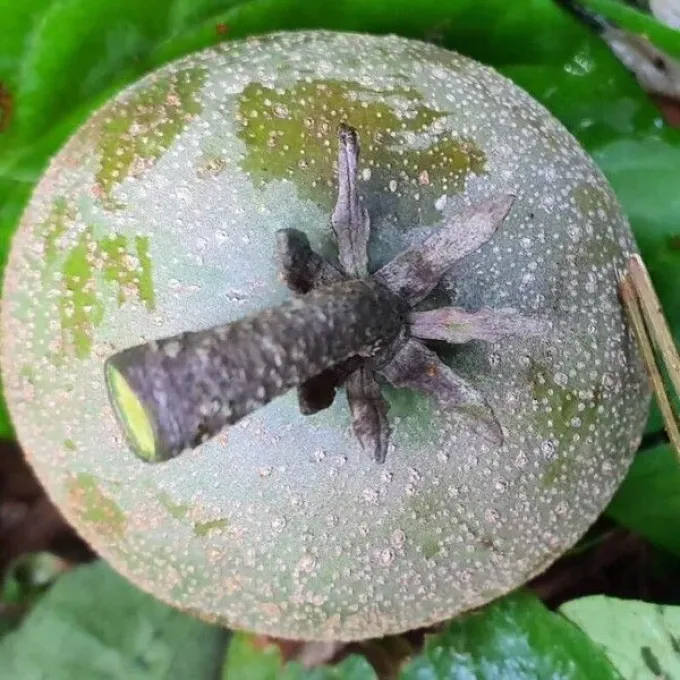
Description
Growing requirements
Autranella congolensis is a significant tropical tree belonging to the Sapotaceae family. It is predominantly found in the dense, evergreen forests of Central Africa, thriving in equatorial climates where high humidity and rainfall are constant.
The tree requires deep, fertile, and well-drained soils to support its massive structural growth. It is a slow-growing species, which makes its natural regeneration cycle quite lengthy compared to shorter-lived tropical forest plants.
Botanically, it is known for its tall, straight bole and high-quality timber. Its fruits are edible and represent a source of nutrition for local wildlife, which in turn helps in the seed dispersal process within the ecosystem.
Agricultural management of this species is primarily focused on conservation and sustainable extraction. Because of its ecological importance and the slow development of mature specimens, industrial plantations are rarely feasible, leading to a reliance on wild harvesting.
The primary economic value lies in its timber, marketed under the name Movingui. Due to its durability and aesthetic appeal, the wood is highly sought after for fine joinery, cabinet making, and the production of luxury veneers.
Main diseases and pests
The survival of the species is primarily threatened by over-exploitation and deforestation. As a source of premium exotic wood, it has historically been targeted for selective logging, which significantly depletes the population of mature, seed-bearing trees.
Pathological risks include various wood-decay fungi, which can affect the tree if the bark is damaged or if the tree is stressed by changes in forest humidity. Furthermore, insect infestation, particularly by wood-boring beetles, can affect timber quality post-harvest if storage conditions are not optimized.