
Austrosteenisia blackii
Austrosteenisia blackii
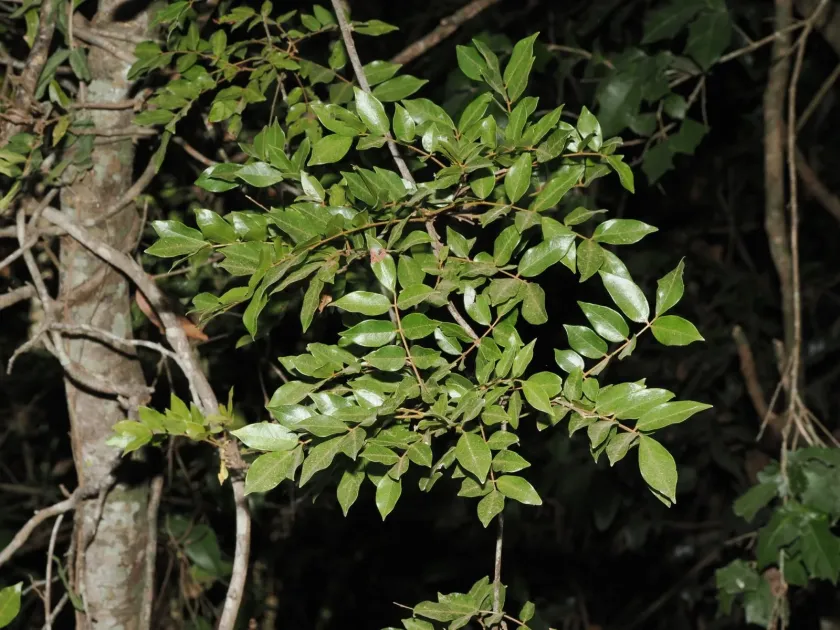
Description
Sowing dates
Austrosteenisia blackii is a species of woody vine belonging to the Fabaceae family, native to the tropical rainforests of Queensland, Australia.
Propagation is typically carried out using seeds, which require scarification to break dormancy and ensure uniform germination rates under controlled nursery conditions.
The seeds should be sown in a well-draining, peat-based mix and kept in a warm environment with temperatures consistently above 22 degrees Celsius.
Seedlings are delicate and require careful handling during the transplanting phase to avoid damaging the taproot system as they mature.
Once established, the vines exhibit vigorous growth and require adequate space for their climbing habit, typically supported by robust trellises.
Growing requirements
This plant thrives in tropical climates characterized by high humidity and consistent warmth, making it unsuitable for areas with severe frost.
The soil should be rich in organic matter, slightly acidic to neutral in pH, and must provide excellent drainage to prevent root rot issues.
Partial to full sun exposure is ideal for this species, though protection from intense mid-day heat is recommended to maintain optimal leaf health.
Regular fertilization with balanced nutrients during the growing season significantly improves the overall vigor and blooming capacity of the vine.
Maintaining consistent moisture levels in the soil is crucial, especially during the active growth phases in the spring and summer months.
Main diseases and pests
The most common pests affecting this plant include spider mites and mealybugs, which tend to congregate on the undersides of the foliage.
Fungal pathogens such as powdery mildew can occur if the plant is grown in environments with poor air circulation and excessive humidity levels.
Integrated pest management, including the use of neem oil or targeted insecticides, is effective in controlling infestations before they become systemic.
Proper pruning techniques are essential to remove dead or diseased wood, thereby improving airflow through the canopy and reducing infection risks.
Monitoring the plant for signs of nutrient deficiencies, such as yellowing leaves, is necessary to adjust the fertilization schedule appropriately.