
Richardson's Wallaby Grass
Austrodanthonia richardsonii (Cashmore) H. P. Linder
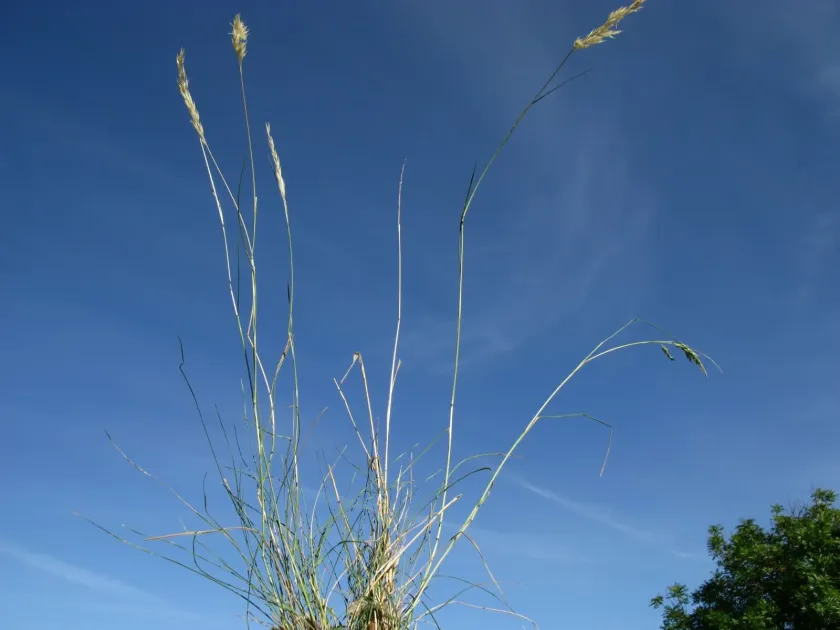
Description
Sowing dates
Sowing of Richardson's Wallaby Grass (Austrodanthonia richardsonii) is ideally performed in autumn or early spring, taking advantage of soil moisture levels to ensure reliable germination. These seasonal windows are critical for the successful establishment of seedlings.
The planting process requires precision, as the seeds are small. A shallow sowing depth of 1-2 centimeters is essential, as deeper placement can prevent the shoot from reaching the surface before nutrient reserves in the seed are exhausted.
Seedbed preparation should involve clearing competing weeds, which are the primary threat to young seedlings. A clean, firm seedbed provides the best environment for the development of root systems in the first weeks.
Post-sowing rolling is highly recommended to improve soil-to-seed contact. This practice creates an optimal environment for moisture absorption, which is vital for the grass to establish itself in varied Australian soil types.
Young stands should be shielded from heavy grazing for at least the first year. Allowing the grass to mature and develop a robust root system ensures the long-term density and productivity of the pasture.
Growing requirements
Richardson's Wallaby Grass is a perennial tussock-forming grass from the Poaceae family. It is highly valued for its natural adaptation to Australian landscapes, specifically its drought-hardy characteristics.
The species is remarkably versatile regarding soil types, performing well in both light sandy loams and heavier clay soils. While it prefers neutral to slightly acidic pH levels, it maintains decent performance across a wide range of chemical profiles.
It thrives in full sunlight, which is necessary for dense growth and effective photosynthesis. Shady conditions under dense tree canopies typically reduce the biomass yield and the vigor of the plant.
Climate adaptability is one of its primary strengths. It can withstand significant temperature fluctuations and prolonged periods of drought by entering a state of reduced activity rather than perishing.
Agronomic management should prioritize balanced nutrient levels. While it responds to phosphorus, excessive nitrogen should be avoided to prevent rank growth, which can make the pasture less attractive to livestock.
Yield
The yield of Richardson's Wallaby Grass is best maintained through managed rotational grazing. This approach allows the grass to replenish its carbohydrate reserves, ensuring sustained biomass production.
When managed correctly, it provides high-quality forage throughout the growing season. The nutritional value is particularly high during the vegetative phase, offering essential proteins for ruminants.
Productivity is closely linked to grazing pressure. Overgrazing can deplete the plant’s energy stores, leading to reduced yield in subsequent seasons, while light grazing allows for seed bank replenishment.
In optimal conditions, the grass forms a dense mat that persists for years, providing a stable, low-maintenance forage base compared to ephemeral species that require annual replanting.
Because it retains green foliage longer than many other native grasses during dry periods, it acts as a reliable buffer, ensuring livestock feed availability when other resources become dormant.
Main diseases and pests
Fungal diseases, such as rust, can become an issue in environments with high humidity or poor air circulation. Maintaining adequate stand density and avoiding over-watering are key preventive measures.
Pests, particularly soil-dwelling larvae like white grubs, can cause localized damage to the root zone. Monitoring for signs of die-back or yellowing is necessary for early detection and mitigation.
Weed encroachment is a persistent threat, especially in overgrazed pastures. Maintaining competitive density through proper stocking rates is the most effective way to keep unwanted vegetation at bay.
Preventive care involves regular field scouting and ensuring that nutrient deficiencies are addressed before they weaken the stand, making it more susceptible to external pathogens.
Overall, Austrodanthonia richardsonii is highly resilient and rarely suffers from catastrophic disease outbreaks if the management system respects its biological growth requirements.
Harvesting
The primary harvest method is direct grazing by livestock, which is the most cost-effective way to utilize the forage. This eliminates the need for mechanical harvesting and subsequent storage.
If harvested for seed, mechanical headers are used during the stage of physiological maturity. Because the seeds ripen unevenly, timing is critical to minimize losses due to natural shedding.
Post-harvest, seed lots must be dried and cleaned to remove impurities. Maintaining low moisture content during storage is essential to preserve the viability of the seed for future sowing cycles.
Hay production is a secondary option, though it requires specific equipment settings to ensure a clean cut. Harvesting for hay should be timed to maximize protein content before the plant enters the reproductive phase.
Efficient management of the harvest cycle ensures that the grass remains a permanent part of the agricultural landscape, providing reliable ecosystem services alongside its role as a key forage species.