
Athrixia phylicoides
Athrixia phylicoides
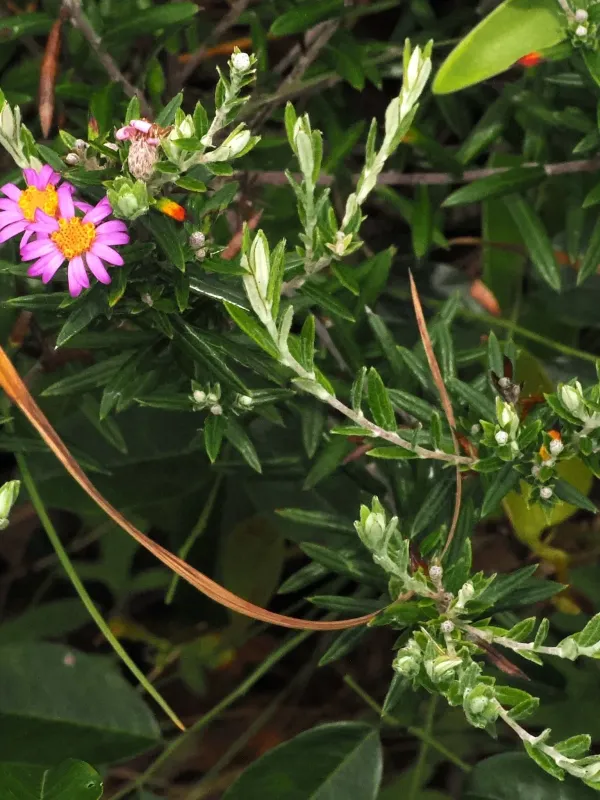
Description
Sowing dates
Propagation of Athrixia phylicoides in an agricultural setting is typically performed through seeds or semi-hardwood cuttings. Sowing should occur during the spring to ensure optimal temperature conditions for germination in a greenhouse environment.
Seeds should be sown in a light, well-draining substrate. Maintaining constant but moderate moisture is critical, as excessive wetness can lead to seedling mortality due to damping-off disease in the early stages.
Cuttings are generally preferred for commercial production to maintain genetic consistency. Semi-hardwood cuttings are taken during the active growth period and placed in a sterilized rooting medium under high humidity.
Once seedlings or cuttings have established a robust root system, they undergo an acclimatization process. This phase is essential for hardening the plants before they are transplanted into the open field to survive environmental fluctuations.
Transplanting to the permanent site is scheduled after the threat of frost has passed. Sufficient spacing is required between plants to allow for lateral growth and to facilitate mechanical weeding and harvesting operations.
Growing requirements
Athrixia phylicoides is a member of the Asteraceae family and is native to the mountainous regions of Southern Africa. It thrives as a perennial evergreen shrub in open, sunny grasslands with poor, stony soils.
The plant demands high levels of solar radiation to ensure the proper synthesis of its secondary metabolites. Shaded environments negatively impact the plant's growth, flavor profiles, and general vitality.
Soil requirements focus on excellent aeration and drainage. The species is highly adapted to nutrient-poor soils, meaning that excessive fertilization, particularly with nitrogen, should be avoided to maintain plant health.
Optimal growth occurs at temperatures ranging between 18 and 25 degrees Celsius. While it is tolerant to short-term dry spells, consistent irrigation is necessary for maximum biomass production in agricultural plots.
Field maintenance involves keeping the area free of competing weeds. Due to the plant's natural adaptation to harsh conditions, it requires minimal soil amendments compared to traditional vegetable or grain crops.
Yield
The primary economic value of Athrixia phylicoides lies in its leaves, which are harvested to produce a traditional herbal tea. Regular pruning of the shrubs is necessary to maximize leaf production and plant longevity.
Commercial harvesting can begin from the second year after transplanting. The plants should be harvested selectively, taking only the most mature and healthy leaves to maintain high product standards.
Yield stability is reached by the third year of cultivation. Under proper management, the crop can provide several harvests throughout the growing season, provided that the plants have sufficient recovery time.
The quality of the leaf yield is heavily dependent on the timing of the harvest. Peak concentrations of antioxidants and aromatic compounds are found just as the plant begins its flowering phase.
Post-harvest yields are directly related to the density of the planting scheme and the effectiveness of the water management strategy applied throughout the season.
Main diseases and pests
Athrixia phylicoides possesses a strong natural defense against many pests and diseases. However, poor field drainage remains the most significant threat, often leading to root rot and systemic failure of the crop.
Powdery mildew may occur during periods of high humidity and poor air circulation. This is best managed by pruning to ensure adequate airflow and by avoiding dense planting patterns that promote microclimates favoring fungal growth.
Aphids and spider mites are the most common pests affecting this culture. These insects target the tender young growth, and their presence can be monitored through regular scouting of the plantation.
Biological pest control methods, such as the use of beneficial predatory insects or organic insecticidal soaps, are recommended for large-scale operations to preserve the medicinal quality of the herbal product.
Sanitation practices, including the removal of dead foliage and the prompt disposal of infected plants, are essential in preventing the spread of secondary infections throughout the field.
Harvesting
Harvesting is performed manually to ensure the highest quality of leaf material. The work should ideally be carried out in the early morning hours, once the dew has evaporated but before the heat of the day peaks.
Harvesters should pick only the healthy, well-developed leaves from the mid-canopy. Avoiding broken or discolored foliage during the harvest process significantly reduces the need for extensive post-harvest sorting.
Immediately after harvesting, the leaves must be moved to a clean, shaded, and well-ventilated area for drying. Exposure to direct sunlight for extended periods after harvest can degrade the tea's quality.
Drying should take place on racks that allow for airflow on both sides of the leaves. This ensures an even moisture reduction, preventing fermentation and preserving the unique flavor profile of the shrub.
The final dried product should be stored in moisture-proof, light-resistant packaging. This storage method ensures the longevity of the herbal tea and protects it from external odors and contamination.