
Astilboides tabularis
Astilboides tabularis
Description
Growing requirements
Astilboides tabularis is a perennial herbaceous plant belonging to the Saxifragaceae family. Native to the mountainous regions of China and Korea, this plant is highly prized in landscape design for its unique architectural foliage and late spring blooms.
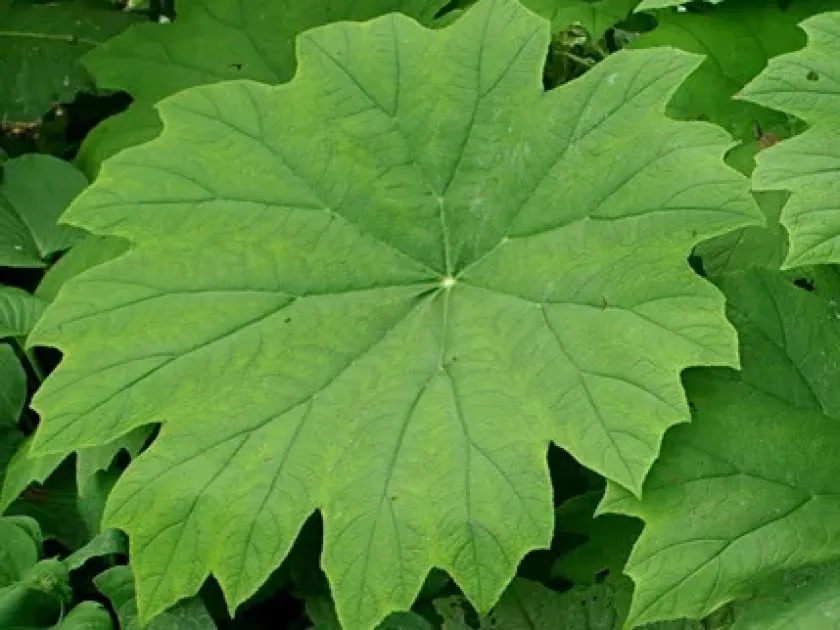
The plant is characterized by large, peltate leaves that can reach nearly a meter in diameter. The foliage is held on long, sturdy stalks, and in early summer, it produces creamy-white, astilbe-like flower panicles that add vertical interest to the garden.
Successful cultivation requires a location in partial to full shade, sheltered from harsh midday sun. Since the plant originates from cool, moist forest environments, it is essential to mimic these conditions by providing a site with consistent moisture levels.
The soil should be rich in organic matter and possess high moisture-retention properties. Incorporating compost or leaf mold at planting time is highly recommended to improve soil structure and ensure the roots have access to nutrients and stable hydration.
A maintenance program for this crop involves mulch application to retain soil moisture and protection from strong, desiccating winds. In temperate regions, it is hardy and capable of surviving winter dormancy if the root zone is sufficiently protected from extreme temperature fluctuations.
Main diseases and pests
The primary pests affecting Astilboides are slugs and snails, which can cause significant damage to the large, soft leaves. Implementing barrier methods, such as copper tape or organic slug pellets, is standard practice to preserve the plant's aesthetic value.
Root rot can develop if the plant is grown in poorly drained soil, particularly during prolonged periods of heavy rain. Ensuring adequate drainage and avoiding water stagnation is critical for the long-term health and vigor of this shade-loving perennial.