
Asthenatherum forsskalii
Asthenatherum forsskalii
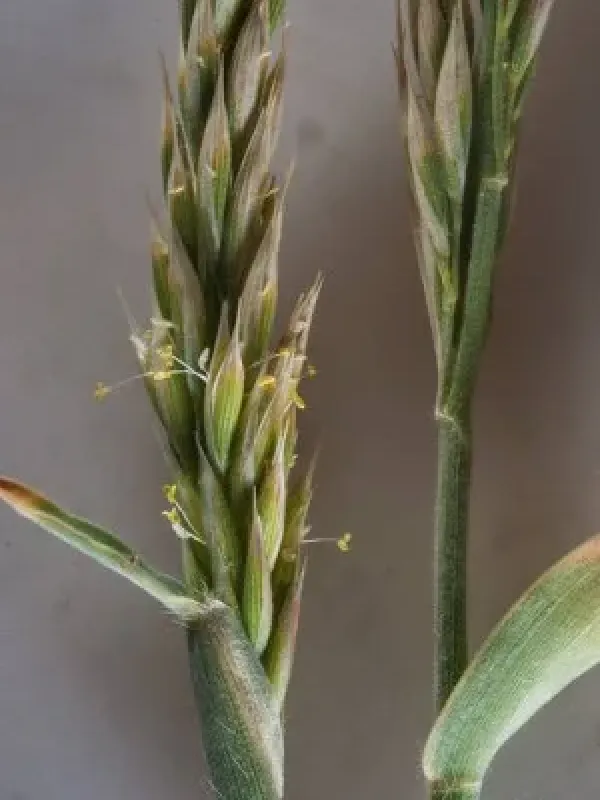
Description
Growing requirements
Asthenatherum forsskalii is a resilient grass species belonging to the family Poaceae. It is a highly specialized plant adapted to thrive in harsh desert and semi-desert environments where water scarcity and extreme heat are constant limiting factors for agriculture.
The native distribution of this grass spans across North Africa and the Middle East. It typically colonizes sandy habitats and shifting dunes, playing a vital role in natural ecosystem stability as a pioneer species capable of surviving in nutrient-poor conditions.
From a botanical perspective, the plant exhibits strong xeromorphic traits. These include reduced leaf surface area, specialized stomatal control, and an extensive, deeply penetrating root architecture that allows it to exploit moisture deep within the sandy profile.
The species has very low demands regarding soil fertility, successfully growing in substrates that lack organic matter. Its capacity to withstand high levels of salinity and sand burial makes it a prime candidate for restoration projects in degraded drylands.
In terms of agricultural utility, Asthenatherum forsskalii serves as a crucial forage resource for nomadic livestock such as camels and sheep. Beyond grazing, it is widely recognized for its environmental service in soil conservation and wind erosion control in desert regions.