
Asplenium ruprechtii
Asplenium ruprechtii
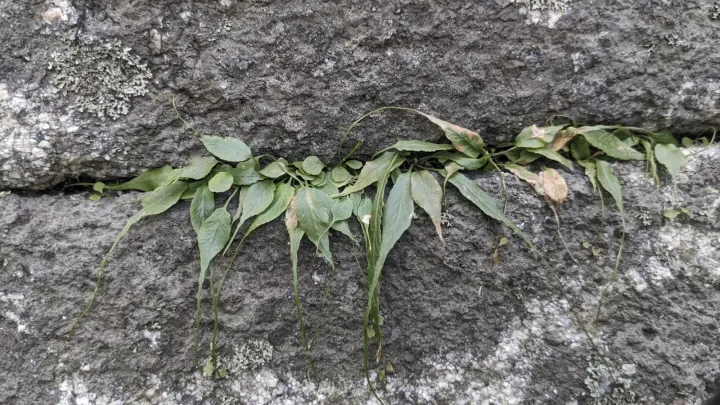
Description
Growing requirements
Asplenium ruprechtii is a perennial fern belonging to the Aspleniaceae family, native to regions where it grows primarily on rocky substrates and crevices. It is highly regarded in horticulture for its elegant foliage and unique structural characteristics.
The plant requires a specialized growth medium that ensures excellent aeration and rapid drainage. A mixture containing peat, bark, and perlite is ideal for mimicking its natural habitat, which helps prevent root rot caused by stagnant water.
Optimal environmental conditions include high atmospheric humidity and moderate temperatures ranging from 18 to 24 degrees Celsius. It thrives in shaded areas, as direct sunlight can cause irreparable damage to the delicate fronds.
Cultural maintenance involves consistent but careful irrigation. Water should be applied directly to the soil, avoiding the central rosette of the fern to maintain optimal health and prevent premature decay of new growth.
During the growing season, a diluted liquid fertilizer can be applied periodically to support plant vigor. It is essential to avoid high-salt concentrations, as ferns are generally sensitive to nutrient burn from excessive chemical fertilization.
Main diseases and pests
The primary threats to Asplenium ruprechtii are fungal pathogens resulting from overwatering. If the soil remains saturated for long periods, the roots become susceptible to rotting, which eventually spreads to the entire plant.
Pests such as scale insects and mealybugs are frequent visitors in controlled environments. These pests feed on the phloem sap, weakening the plant and causing yellowing or browning of the leaves if left untreated.
Spider mites are a common issue in low-humidity environments, appearing as tiny webs between the fronds. Maintaining sufficient air moisture is the most effective preventative measure against these arachnid pests.
To ensure long-term plant health, hygiene measures such as removing old or damaged fronds should be performed regularly. This reduces the risk of spores settling and creating breeding grounds for harmful fungi.
In cases of severe infestation or disease, systemic insecticides or fungicides should be applied carefully. Always follow the manufacturer's guidelines regarding concentration to avoid stressing the fern further during recovery.