
Asplenium normale
Asplenium normale
Description
Growing requirements
Asplenium normale is a distinctive species of fern belonging to the Aspleniaceae family. It is widely recognized for its elegant appearance and is commonly found in the tropical regions of Asia and Africa, where it thrives in humid, shaded environments such as forest floors and rocky cliffs.
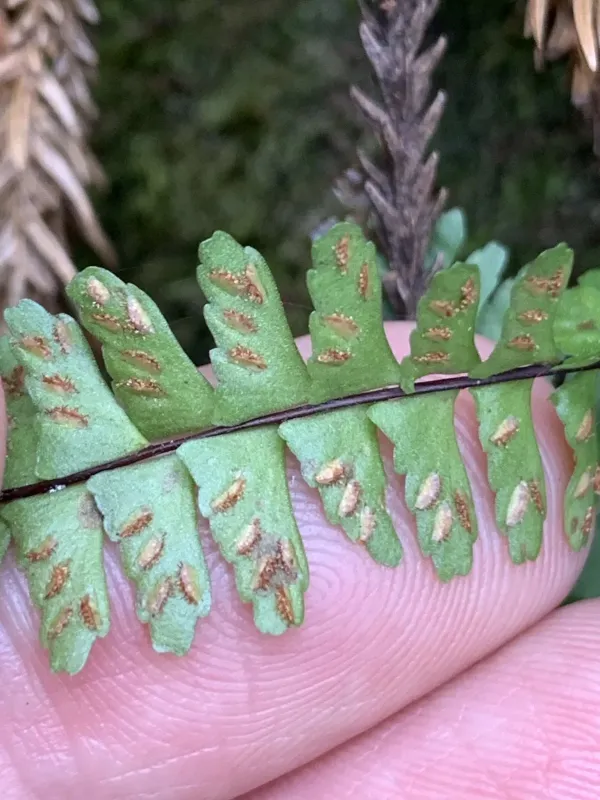
The plant features delicate, pinnate fronds emerging from a short, creeping rhizome. This botanical structure makes it a popular choice for indoor garden displays, as the plant remains compact and visually striking throughout its growth cycle in controlled environments.
Successful cultivation requires a high-humidity environment, ideally maintained between 60% and 75%. Asplenium normale does not tolerate dry air, which can cause the delicate tips of the fronds to brown and wither, making the use of humidifiers or regular misting essential for optimal health.
The growing medium should be loose and rich in organic matter. A mixture of peat, perlite, and pine bark is recommended to provide the necessary drainage. It is crucial to prevent waterlogging, as the roots are sensitive to anaerobic conditions and can easily succumb to rot in stagnant water.
As for lighting, the species prefers bright but filtered light conditions. Excessive exposure to direct sun should be avoided at all costs, as the ultraviolet intensity can damage the chlorophyll pigments in the fronds, leading to rapid yellowing and structural degradation of the leaf tissue.
Main diseases and pests
The most common disease affecting this fern is root rot, typically caused by overwatering or poor drainage systems. Maintaining a strictly balanced moisture regime is the primary preventive measure against fungal pathogens that target the root zone.
Pest infestations, particularly by scale insects and spider mites, can occur in indoor settings. These pests feed on the nutrient-rich sap, causing significant stress to the plant. Regular monitoring of the underside of the fronds is essential for early detection and manual or chemical intervention.