
Asplenium macrophyllum
Asplenium macrophyllum
Description
Growing requirements
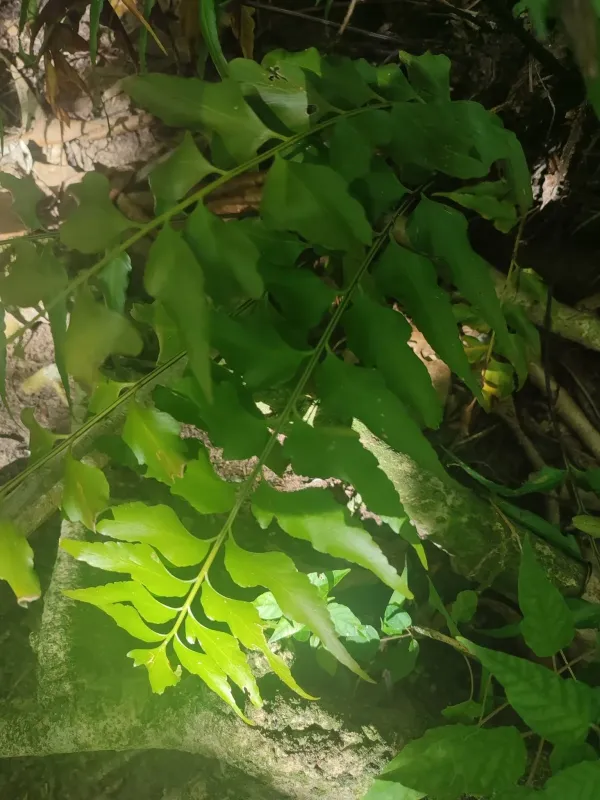
Asplenium macrophyllum is a notable species within the Aspleniaceae family, native to the tropical regions of Southeast Asia and the Pacific. This fern typically thrives as an epiphyte or lithophyte in humid forest environments, often colonizing shaded rocky outcrops or tree trunks.
Botanically, the plant is characterized by its large, leathery, pinnate fronds which exhibit a deep green color. The rhizome is typically creeping and robust, covered in dark scales, allowing the plant to store limited resources and adapt to the fluctuating moisture levels of its native habitat.
Cultivation requires a stable, warm climate with temperatures consistently between 18°C and 25°C. High humidity levels, ideally maintained above 65%, are essential to prevent the fronds from curling or becoming brittle, which often happens in standard indoor environments.
The substrate must be well-draining, mimicking a forest floor composition. A mix of shredded bark, peat moss, perlite, and charcoal is recommended to ensure that the roots receive adequate aeration while maintaining the necessary moisture retention for healthy development.
Lighting should be bright but strictly indirect. As an understory plant, Asplenium macrophyllum is highly sensitive to direct sunlight, which can quickly dehydrate the foliage and cause significant chlorosis or sun-scald damage on the sensitive leaf tissues.
Main diseases and pests
Scale insects are a primary concern, as they firmly attach to the undersides of the fronds, where they extract plant sap and excrete honeydew. This substance often promotes the growth of sooty mold, which blocks sunlight and hinders the plant's natural photosynthetic process.
Spider mites represent a major threat during dry or heated conditions. These tiny pests weave fine webs across the fronds and cause a stippled, faded appearance on the leaves, eventually leading to premature defoliation if left untreated by appropriate miticides.
Root rot is the most common physiological disorder, primarily caused by waterlogging the root system. Once the roots are compromised by anaerobic conditions, the plant's ability to take up nutrients is severely inhibited, often resulting in rapid wilting of the mature fronds.
Fungal leaf spot pathogens can thrive in environments with poor air circulation and excessive moisture on the foliage. These spots typically appear as brown or black lesions and require the removal of infected fronds and the application of fungicides to halt the spread of the disease.
Over-fertilization can lead to root burn, as ferns are generally sensitive to high concentrations of mineral salts. It is recommended to use diluted liquid fertilizers during the active growing season and to flush the soil periodically with pure water to remove residual salt accumulation.