
Asplenium hybrids
Asplenium hybrids
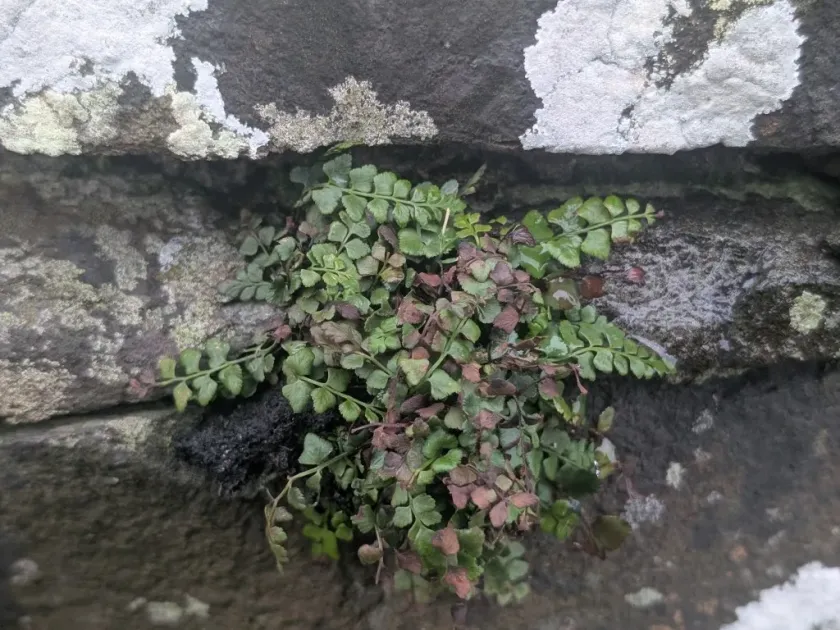
Description
Growing requirements
Asplenium hybrids belong to the Aspleniaceae family and are highly valued in ornamental horticulture. These plants are the result of careful breeding, combining the resilient traits of wild species with enhanced aesthetic appeal and unique frond structures.
The climate requirements for these ferns focus on consistency. They thrive in moderate temperatures ranging from 18 to 24 degrees Celsius. It is crucial to maintain an environment free from cold drafts and sudden temperature fluctuations, which can stress the plant.
Soil composition is a fundamental aspect of their cultivation. Asplenium hybrids require a well-draining, porous substrate that retains moisture without becoming waterlogged. A mixture of peat moss, bark, and perlite provides the ideal balance for root aeration.
Humidity management is essential for healthy growth. These ferns prefer high ambient humidity, ideally between 60% and 70%. In indoor conditions, the use of humidifiers or pebble trays is often necessary to prevent the fronds from browning at the edges.
Light levels should be carefully managed to prevent leaf damage. While they enjoy bright conditions, direct sunlight must be avoided as it can scorch the delicate foliage. Filtered or indirect light is optimal for year-round development.
Main diseases and pests
Scale insects are among the most common pests found on Asplenium hybrids. They attach themselves to the underside of the fronds and stems, feeding on plant sap. Immediate removal and treatment with systemic insecticides are required to prevent widespread infestation.
Spider mites often target these ferns when the environment is too dry. Infested plants show signs of fine webbing and stippled leaves. Increasing humidity and using specialized acaricides are effective methods for controlling these tiny pests.
Root rot is a major threat linked to poor irrigation practices. Overwatering creates a breeding ground for fungi that decay the rhizome. Proper drainage is the first line of defense against this lethal condition.
Mealybugs can often be found in the tight crevices of the rosette. These pests produce a cotton-like secretion, which serves as a protective cover and requires targeted manual removal and specific chemical treatments to eradicate completely.
Leaf spot diseases are typically caused by pathogens that thrive in stagnant, humid air. Maintaining proper air circulation and avoiding overhead watering helps to reduce the risk of these infections and keeps the foliage vibrant and healthy.