
Asplenium dimorphum
Asplenium dimorphum
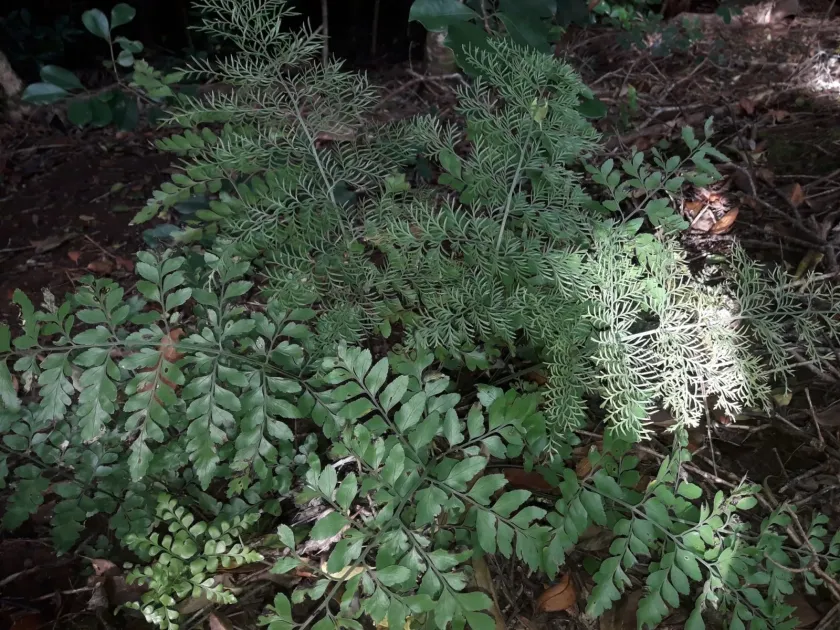
Description
Growing requirements
Asplenium dimorphum, commonly known as the Norfolk Island spleenwort, is a species of fern belonging to the Aspleniaceae family. It is native to Norfolk Island, where it thrives in humid and temperate forest environments.
The plant requires a stable temperature range between 18°C and 24°C to ensure vigorous growth. It is highly sensitive to temperature fluctuations and cold drafts, which can cause significant stress to the foliage and root system.
A high-quality, well-draining soil mix is essential for this culture. A blend of peat moss, pine bark, and perlite provides the necessary aeration and moisture retention while preventing the saturation that leads to root issues.
Humidity management is the cornerstone of its agronomy, requiring levels between 60% and 70%. In commercial greenhouse settings, automated misting systems are often employed to maintain these microclimatic conditions throughout the year.
The species prefers diffused light conditions and should be shielded from direct sunlight exposure. Prolonged exposure to intense light can lead to leaf scorch, while extremely low light levels significantly hamper the development of its characteristic dimorphic fronds.
Main diseases and pests
Scale insects are a common threat, often found clinging to the stems and fronds of the plant. If infestation occurs, mechanical removal combined with horticultural oil treatments or systemic insecticides is necessary to manage the population.
Spider mites are frequently encountered when ambient humidity drops too low. These pests cause yellowing and stippling of the leaves; therefore, maintaining high atmospheric moisture is the most effective preventive measure against their spread.
Root rot, primarily caused by Phytophthora or Pythium species, poses a severe risk in waterlogged soils. Ensuring that the drainage holes are unobstructed and that the irrigation frequency matches the plant's physiological needs is critical.
Fungal leaf spots can develop in conditions of poor ventilation and high humidity. Proper spacing between individual plants and ensuring adequate airflow are essential to reduce the risk of pathogen transmission in greenhouse or interior environments.
Mealybugs can settle in the tight crevices of the plant crown, causing stunted growth. Consistent monitoring of the plant's base and the use of insecticidal soaps can effectively control these pests before they reach damaging levels.