
Aspidosperma polyneuron
Aspidosperma polyneuron Müll. Arg.
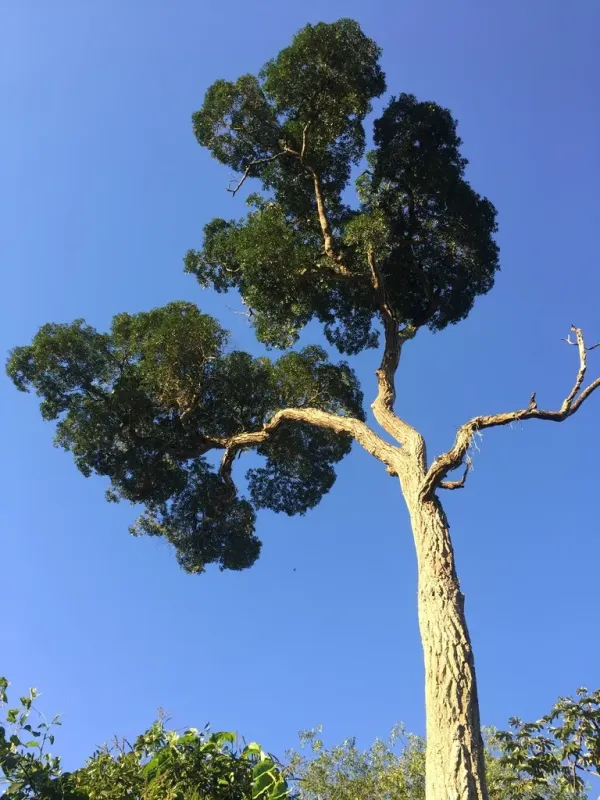
Description
Sowing dates
Propagation of Aspidosperma polyneuron in nurseries is primarily performed through seeds. Due to their relatively short viability, seeds should be sown as soon as possible after harvesting to ensure high germination rates.
The seeding process involves using a well-drained, fertile substrate with a slightly acidic to neutral pH. Seeds are placed in containers or nursery beds, requiring consistent moisture and protection from intense direct sunlight during the initial germination phase.
Once seedlings reach a height of 25–40 centimeters, they are ready for transplanting into permanent sites. Proper spacing is essential to ensure that young trees receive adequate sunlight and nutrients, which promotes the growth of a straight and healthy trunk.
Adaptation during the early stages requires diligent soil moisture management. In large-scale plantations, organic fertilizers are often applied to stimulate robust root system development immediately following transplantation.
Early-stage management requires regular weeding within a significant radius around each tree to prevent nutrient competition and ensure optimal initial growth rates.
Growing requirements
Aspidosperma polyneuron is a member of the Apocynaceae family native to tropical South American forests. It thrives in deep, nutrient-rich soils that offer high levels of organic matter and excellent drainage capabilities.
The species has strict climatic requirements, needing a warm environment without any risk of frost. An annual temperature range between 20–26 degrees Celsius is considered ideal for consistent vegetative development throughout the year.
As a light-demanding species, this tree requires full exposure to solar radiation to maintain active photosynthesis and attain its mature height. While seedlings may tolerate partial shade, adult trees are highly dependent on direct sunlight.
Annual precipitation should range between 1200 and 2000 millimeters. While it shows some resilience to short dry spells, stable water availability is crucial for high-quality timber production in forestry systems.
Soil conditions should favor a balance between moisture retention and aeration. Waterlogged sites must be avoided at all costs, as the root systems are susceptible to decay under anaerobic conditions.
Yield
The primary economic value of Aspidosperma polyneuron lies in its timber, widely known as Peroba. The tree is prized for its high density, durability, and natural resistance to decay, making it a premium material in the global market.
The wood is frequently utilized for high-end furniture, luxury flooring, and structural components in construction. Its aesthetic appeal combined with structural integrity ensures high demand in interior design and woodworking industries.
The time required to reach harvestable maturity typically spans from 40 to 60 years. Sustainable forest management practices, including thinning and sanitary cuts, allow for the optimization of biomass production over this long growth cycle.
Beyond its timber value, the species contributes significantly to biodiversity and soil stabilization. These ecological services are increasingly recognized in modern sustainable forestry planning and land restoration projects.
Monitoring the growth diameter and health status of trees remains the core method for yield assessment, ensuring that timber harvesting remains within sustainable limits for the long term.
Main diseases and pests
Like many tropical tree species, Aspidosperma polyneuron is vulnerable to fungal pathogens that thrive in humid, poorly ventilated conditions. Root and trunk rots are the most significant threats to the long-term health of forest plantations.
Wood-boring insects represent a substantial risk, as they can degrade the quality of the timber, rendering sections of the tree unsuitable for commercial woodworking. Vigilance and proper plantation hygiene are key to prevention.
- Root rot caused by poor soil drainage.
- Damage from wood-boring beetle infestations.
- Suppression by aggressive lianas and encroaching vegetation.
- Fungal leaf spots affecting young nursery stock.
- Structural damage caused by localized wind events.
Effective management includes regular monitoring of tree health and immediate removal of any infected plant material to stop the spread of pathogens. Selective use of biological control agents is preferred to maintain plantation health.
Maintaining proper planting density ensures good airflow throughout the canopy, which is the most effective cultural practice for reducing the incidence of fungal and pest-related outbreaks.